














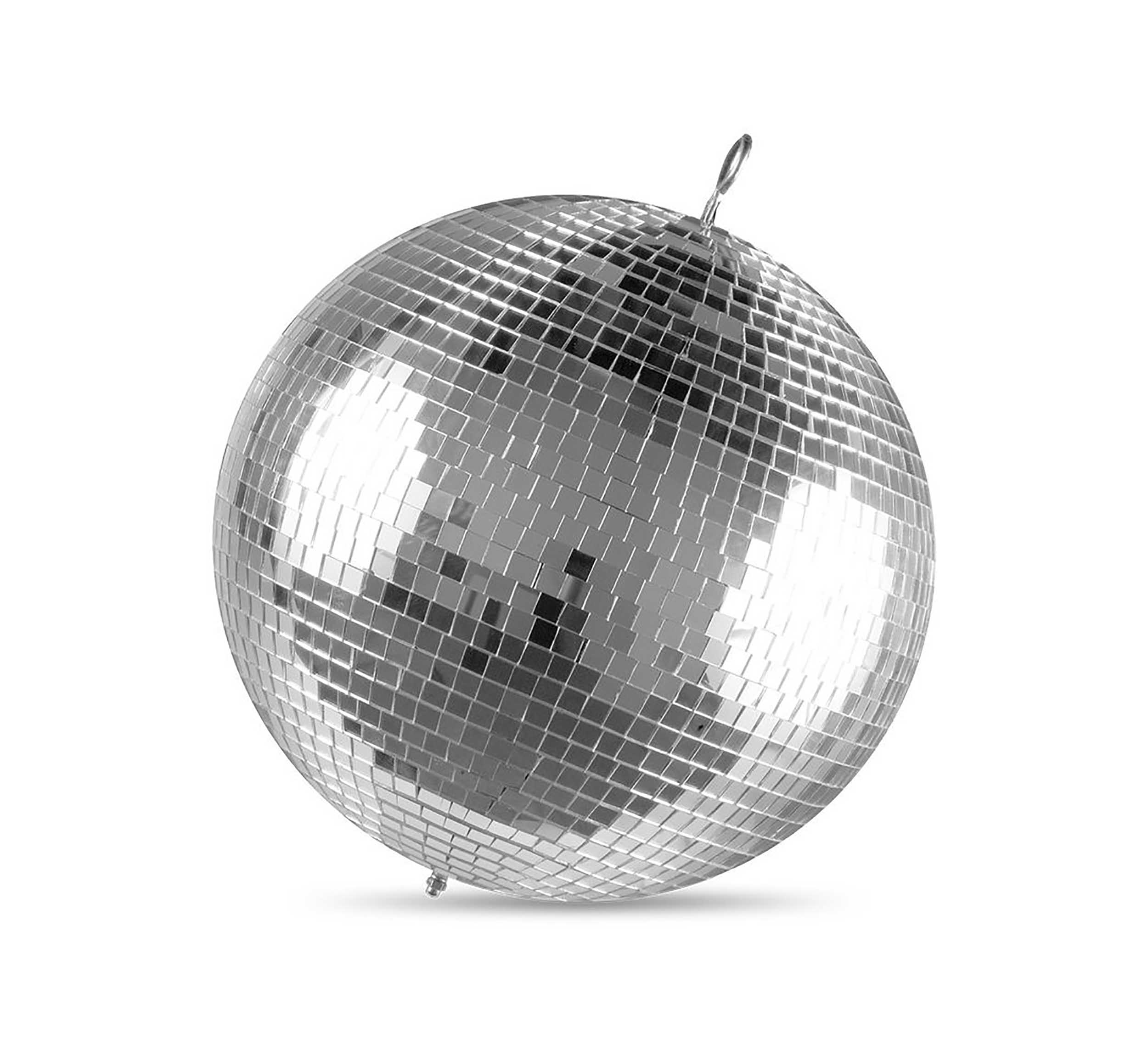

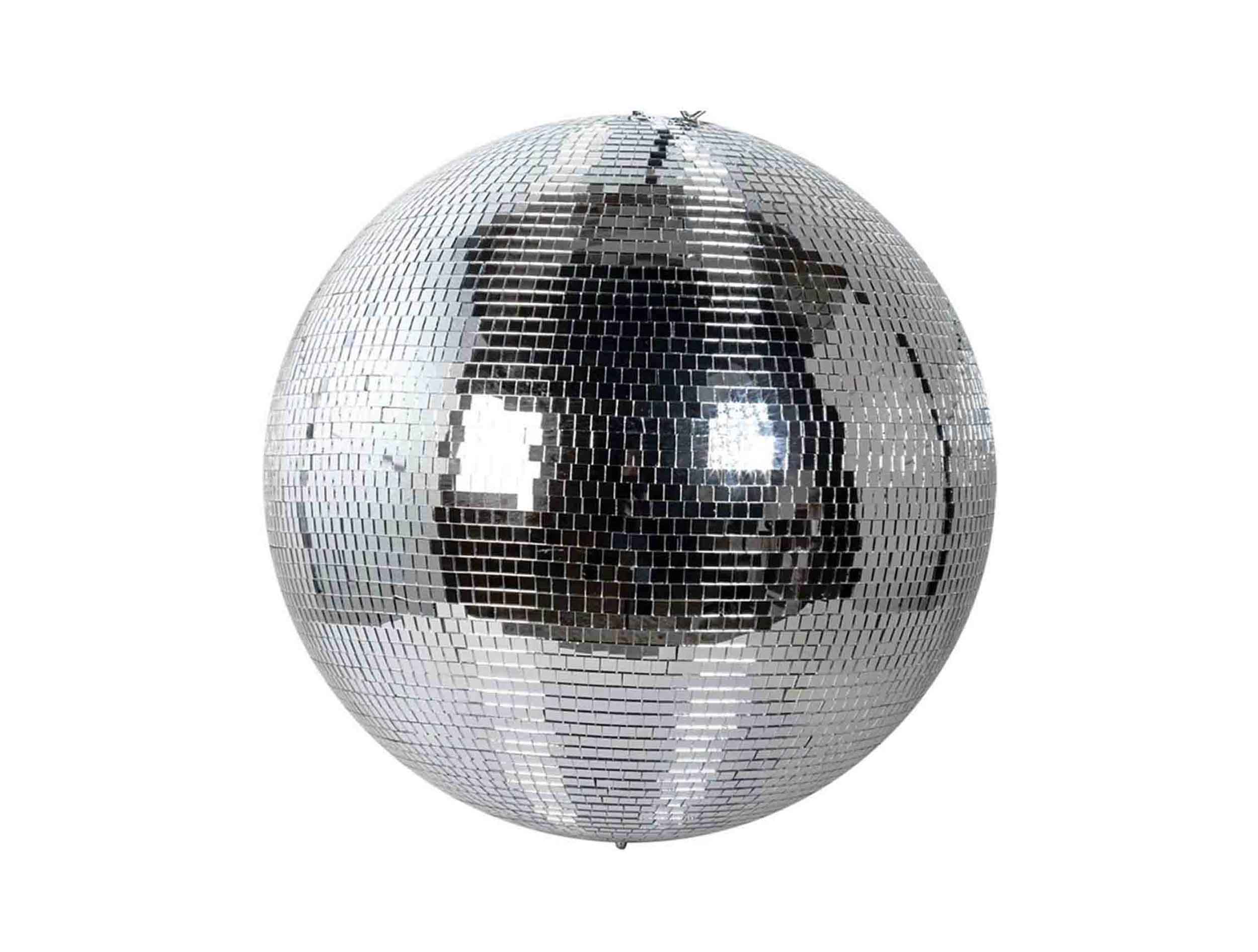


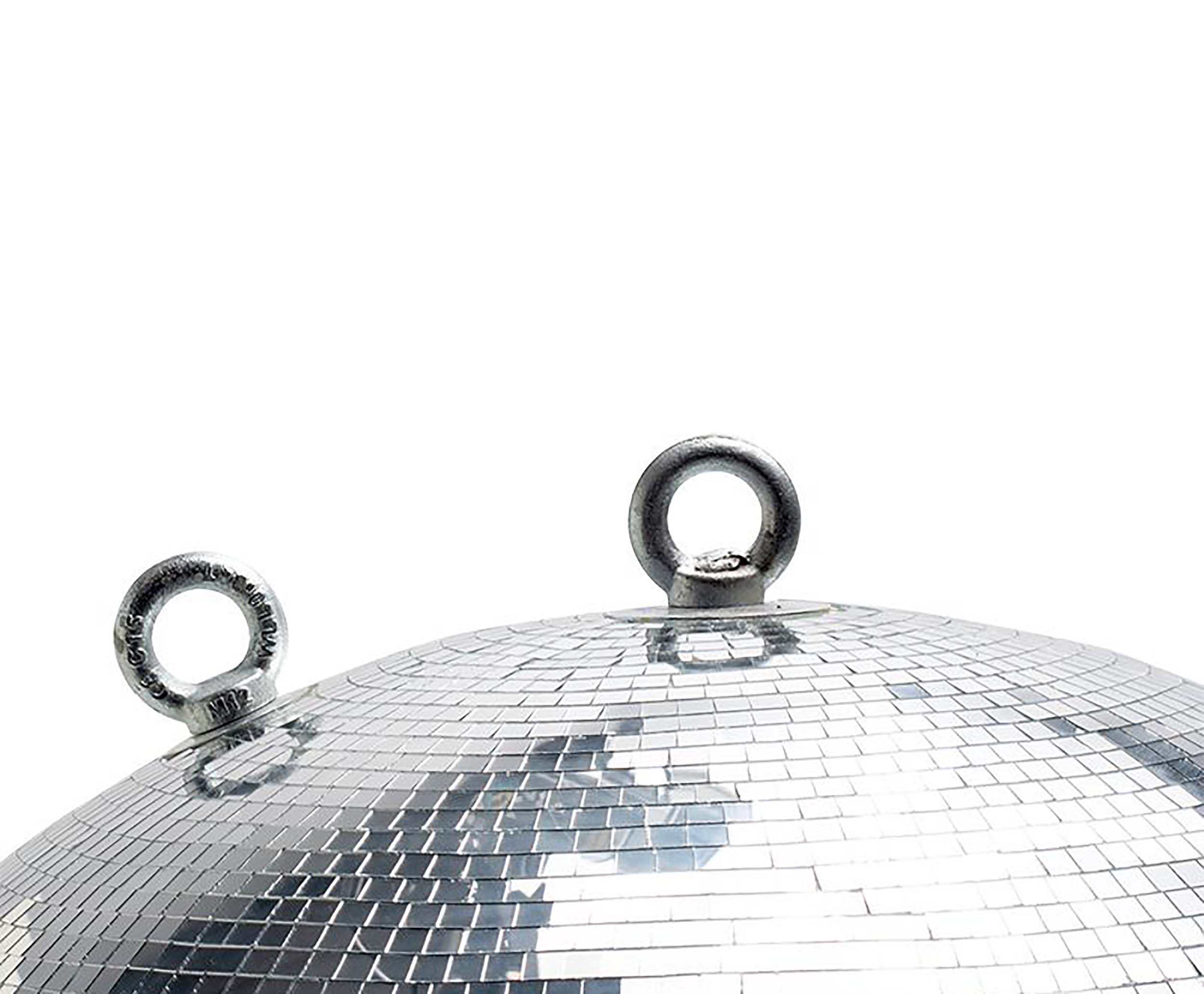


What Size Disco Ball Do You Need?
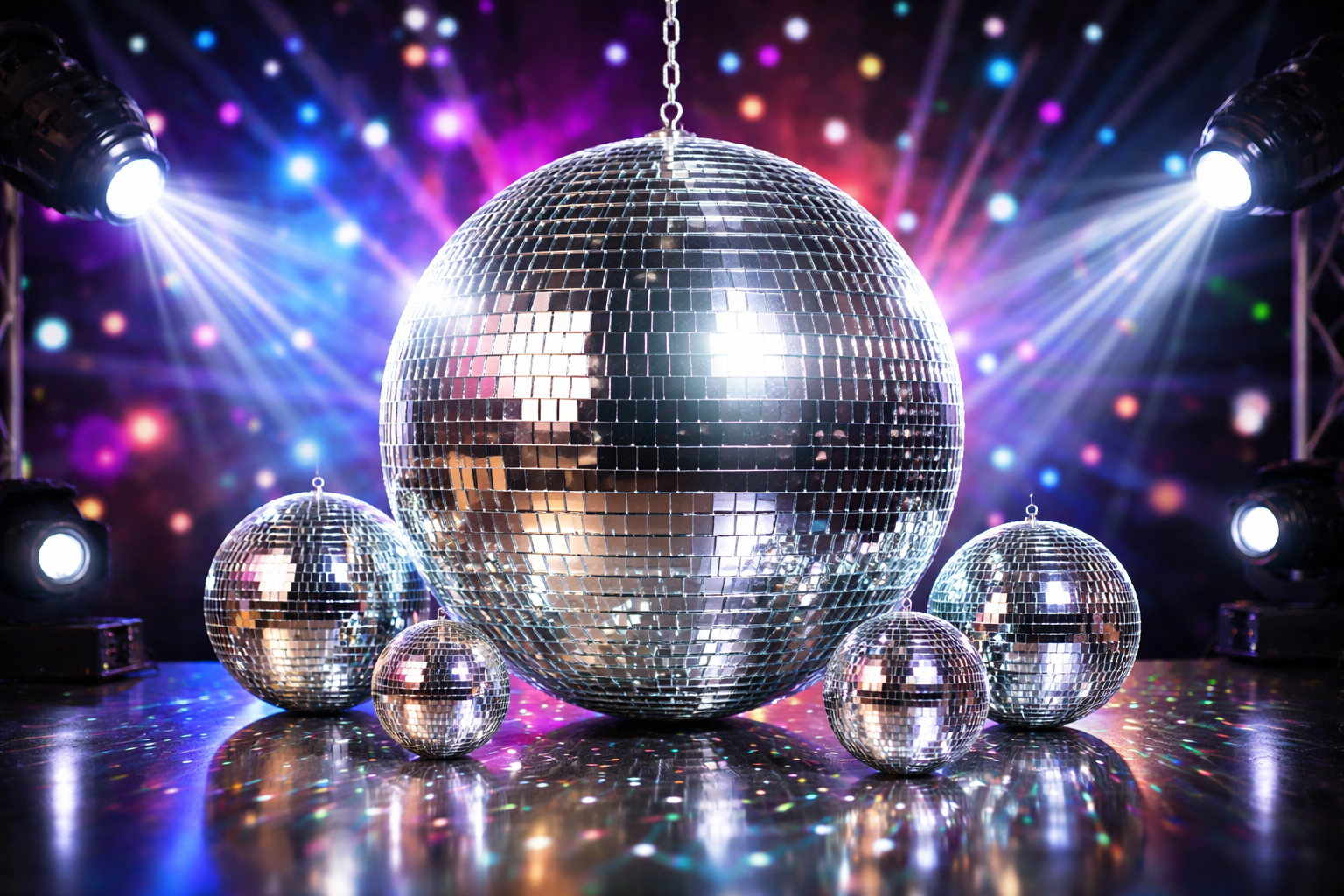
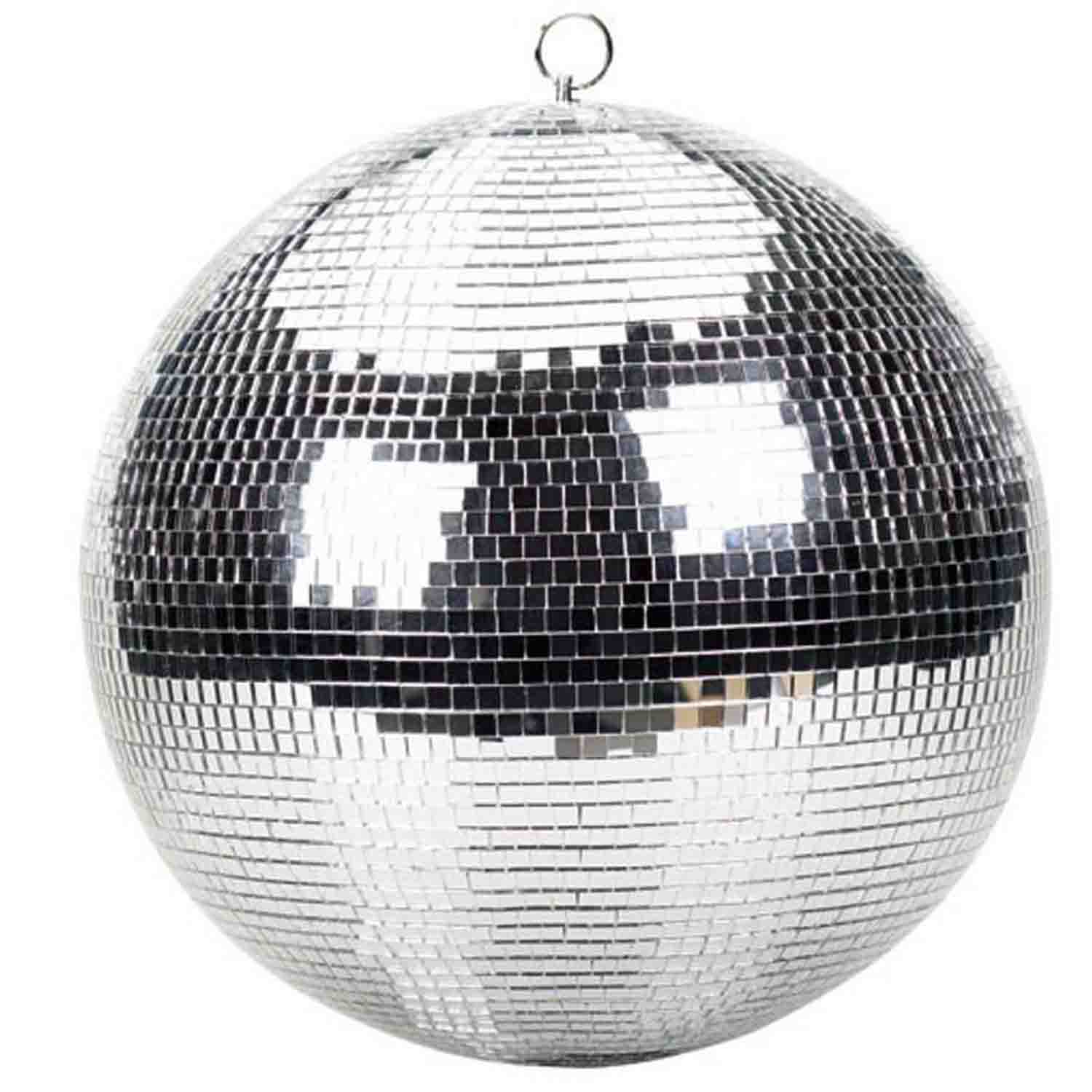
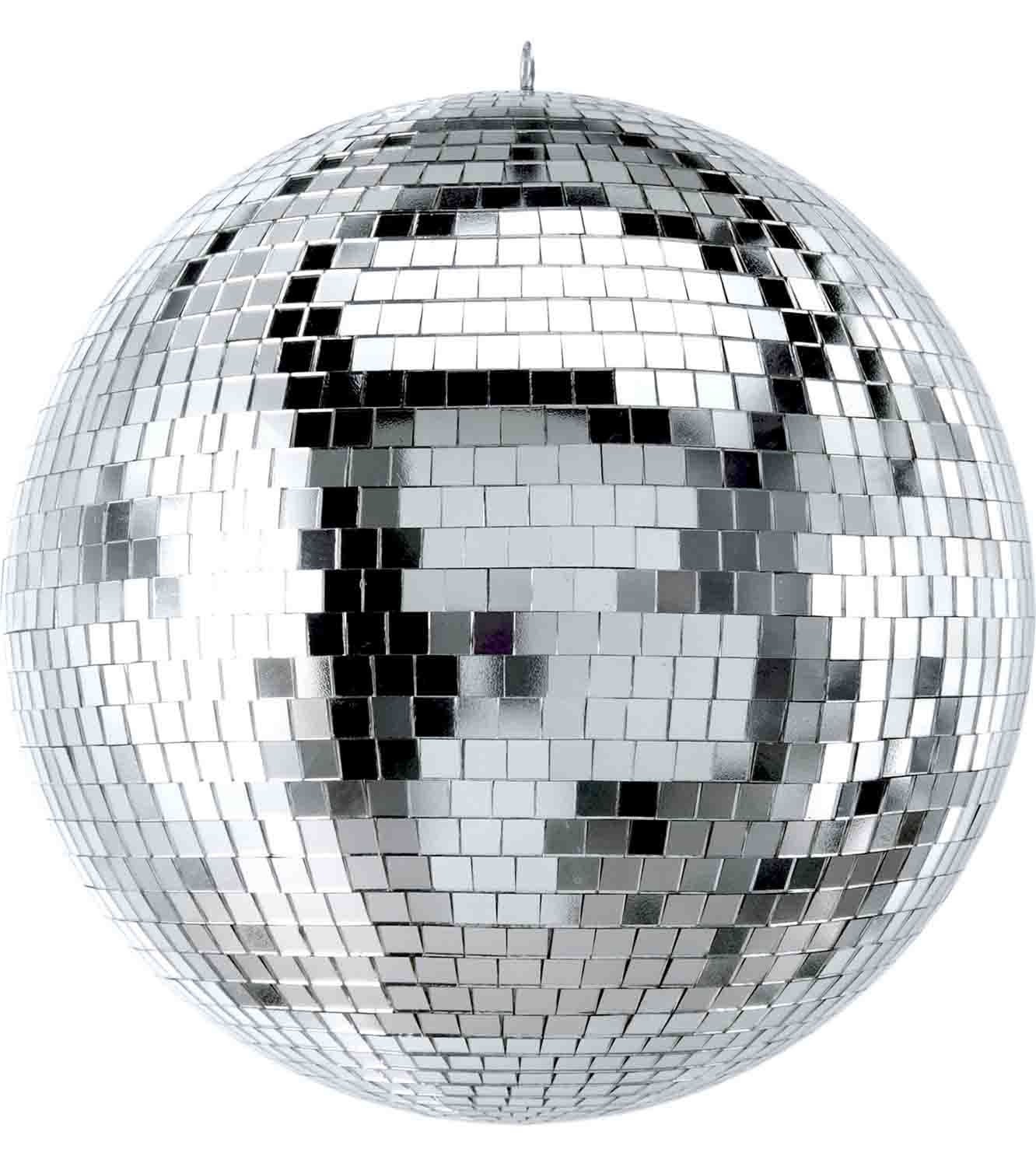
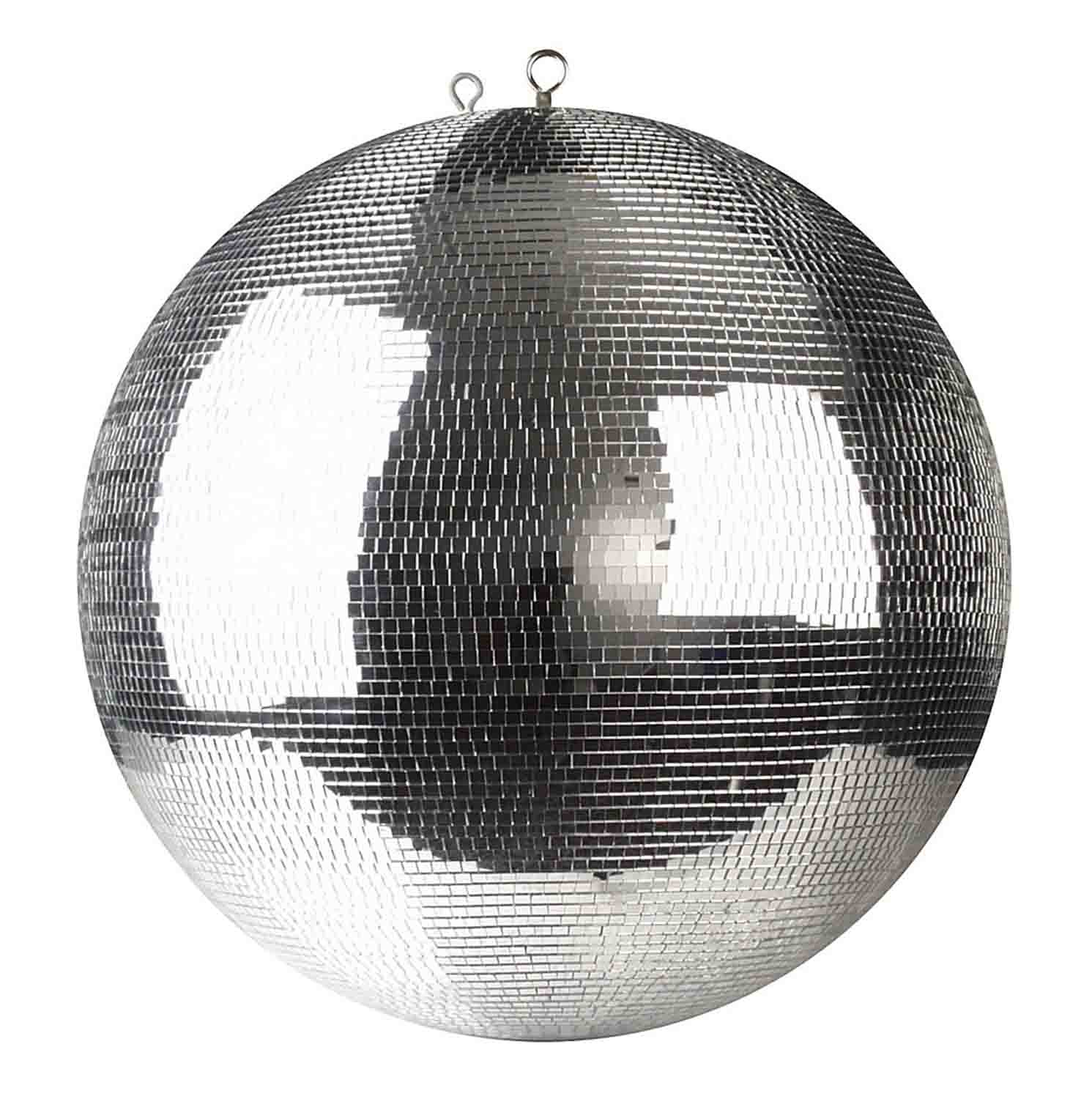
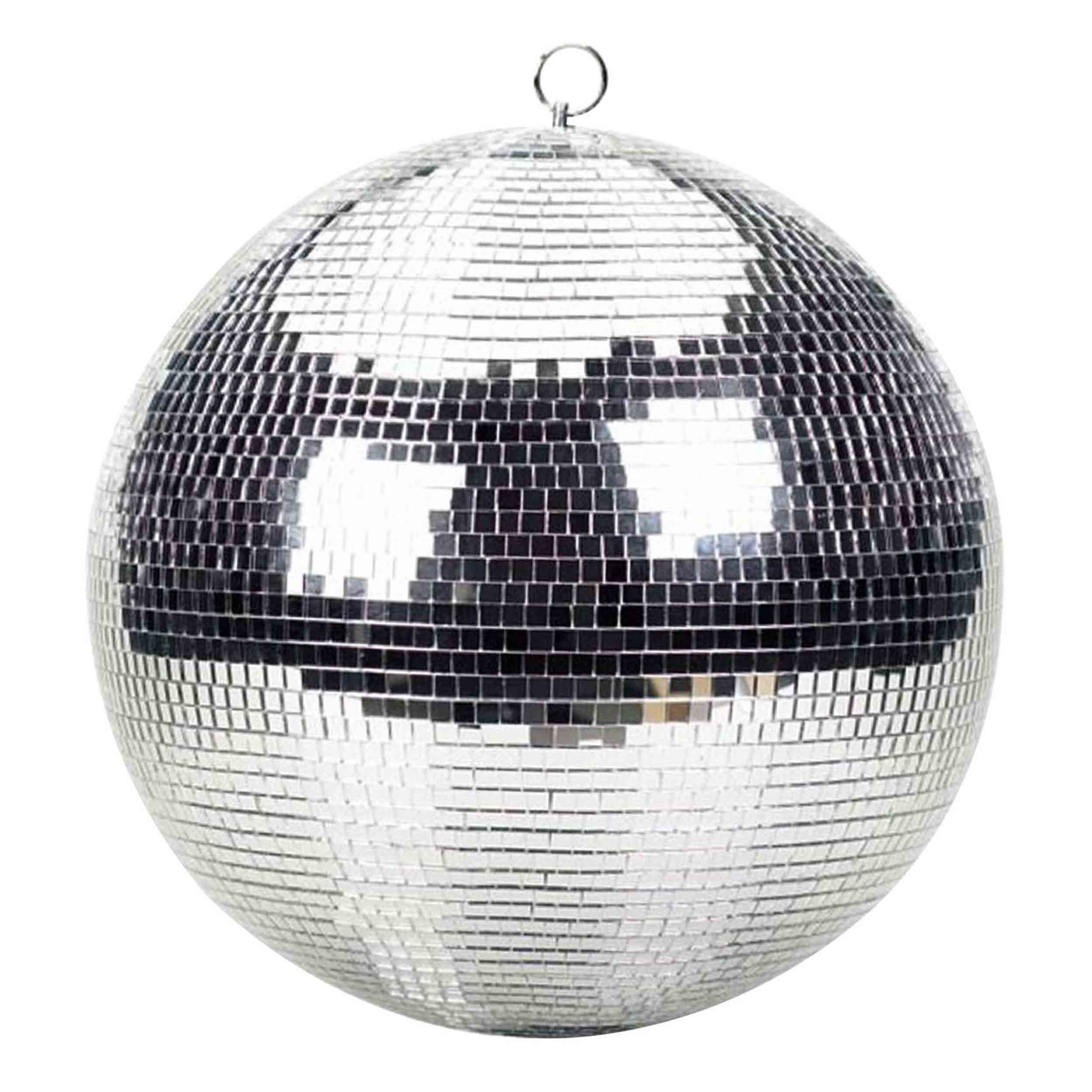
The right disco ball size depends on three things: your room size, ceiling height, and how dramatic you want the lighting effect to look. Many customers accidentally buy too small because they picture the disco ball itself, not the reflected light output. A mirror ball that looks fine in product photos can disappear visually once it is hung in a larger room or higher ceiling space.
As a general rule, smaller disco balls work best for decor accents, bedrooms, and tight spaces, while medium to large mirror balls are better for living rooms, weddings, dance floors, retail displays, and event spaces where you want the reflections to actually be seen across the room. If your goal is a real disco effect instead of just a decorative hanging piece, sizing up is often the better choice.
| Disco Ball Size | Best For | Typical Effect | Recommended Room Use |
|---|---|---|---|
| 8" to 10" | Small bedrooms, apartments, desks, corners, decor accents | Soft sparkle, decorative look, light scatter in a limited area | Small spaces or low ceilings where the ball is meant to be noticed up close |
| 12" | Bedrooms, offices, small living rooms, home bars | Noticeable classic mirror ball effect without overwhelming the room | Good entry size for home use |
| 16" | Living rooms, home parties, small event spaces, wedding decor | Stronger reflections with better visibility across the room | Great balance for customers who want both decor and real lighting impact |
| 20" | Weddings, medium dance floors, venues, photo moments | Fuller sparkle pattern with stronger presence from a distance | Ideal when ceilings are higher or the room is more open |
| 24" and larger | DJs, clubs, larger event spaces, commercial installs | Big visual centerpiece with wide-reaching reflections | Best for larger rooms, higher ceilings, and professional event setups |
What Happens If Your Disco Ball Is Too Small?
If the disco ball is too small for the room, the effect usually feels underwhelming. Customers often expect dramatic moving reflections across walls and ceilings, but a ball that is undersized may only create a small cluster of light dots near the center of the room. Instead of becoming a focal point, it can look more like a decorative ornament than a true disco effect.
A too-small mirror ball can also get visually lost when it is hung from a high ceiling, placed over a large dance floor, or used in a venue with a lot of ambient light. Even with a motor and spotlight, the reflections may not spread far enough to fill the space. That means the room can feel empty, the photos may not capture the sparkle you expected, and the setup may not deliver the “wow” factor people usually want for weddings, parties, or DJ events.
Another common issue is proportion. In a large room, a small disco ball can look out of scale with the rest of the decor or lighting setup. If you are using the ball as a centerpiece, photo backdrop element, or dance-floor focal point, going too small is usually the mistake customers regret most. It is often better to choose a slightly larger size than one that disappears once installed.
Quick Size Recommendations by Space
| Space or Use | Recommended Size Range | Why |
|---|---|---|
| Apartment, bedroom, office | 8" to 12" | Fits smaller rooms without overpowering the space |
| Living room or home entertaining area | 12" to 16" | Gives a more visible sparkle effect for guests and parties |
| Wedding decor or photo area | 16" to 20" | Looks substantial in photos and reflects light better in open spaces |
| Small dance floor or mobile DJ setup | 16" to 20" | Creates a noticeable effect without needing a massive rig |
| Large dance floor, venue, or club | 20" to 24"+ | Needed for stronger visibility, better scale, and wider light spread |
Helpful Rule of Thumb
If your disco ball is mainly for decoration, you can stay on the smaller side. If you want customers, guests, or partygoers to actually see the moving reflected light throughout the room, go larger and pair it with a proper disco ball motor and focused spotlight. The bigger the room and the higher the ceiling, the more important ball size becomes.
For many home customers, a 12" disco ball is a safe starting point. For weddings and event decor, 16" to 20" is often the more satisfying range. For DJs, venues, and larger installations, 20" and up usually delivers the stronger visual impact people expect from a classic mirror ball setup.
Disco Ball Buying Guide by Event Type
Use this quick guide to match a mirror ball, motor, and light to your event. Every pick links to a product in this collection.
| Event / Use | Recommended Mirror Ball | Motor | Lighting |
|---|---|---|---|
| Apartment / bedroom decor | ProX MB-8 (8") | ADJ battery motor + base | A single small spotlight or LED pinspot |
| Home party / living room | ProX MB-12 (12") | Eliminator MBMHD8 (up to 12") | M502EL all-in-one kit |
| Wedding / reception decor | Eliminator EM16 glass (16") | ProX X-MBM-1 (up to 16") | Two to four warm-white pinspots |
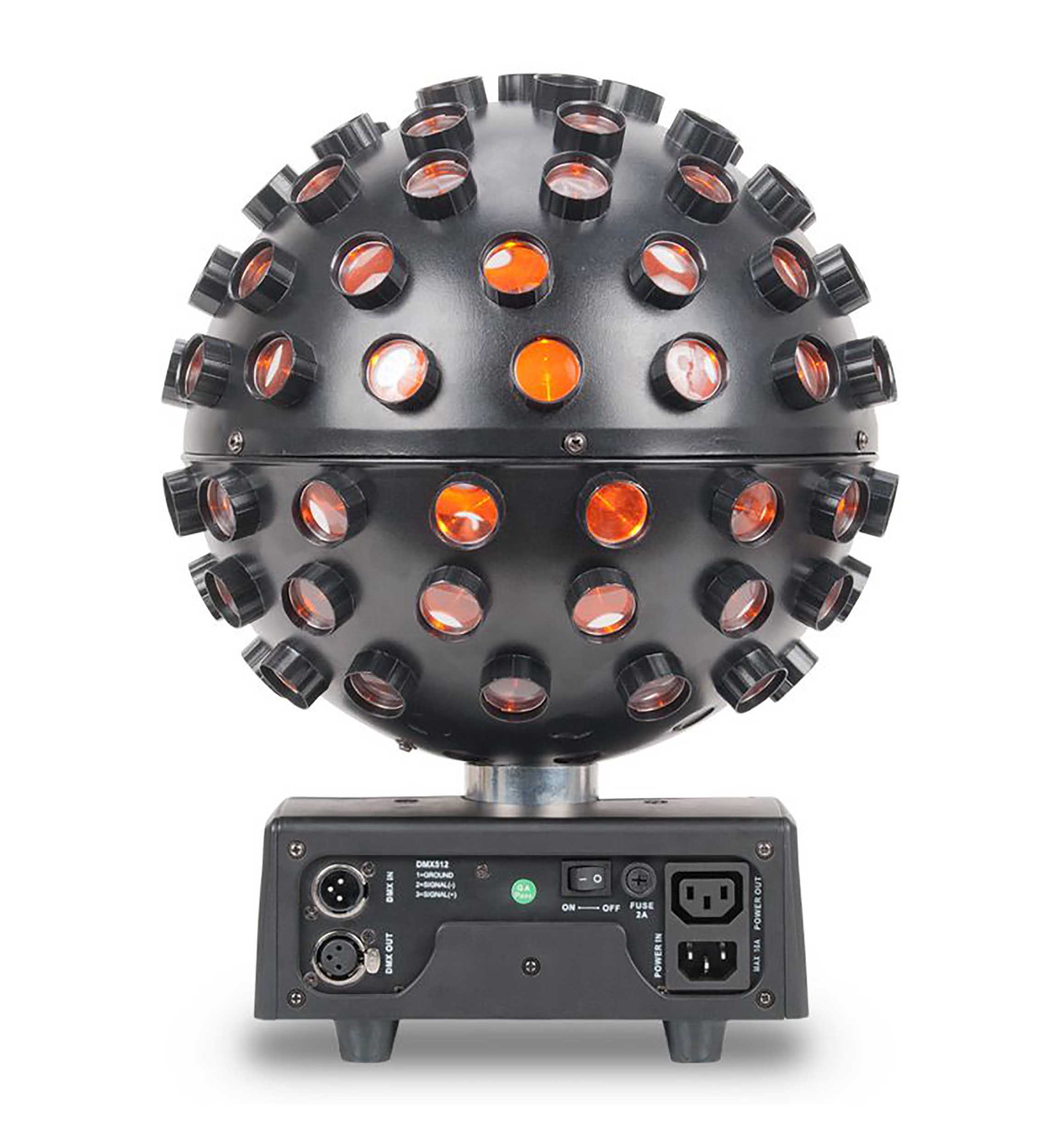
| Mobile DJ / dance floor | ProX MB-20 (20") | Eliminator MBMHD1 heavy duty (up to 20") | Pinspots, or add a Rotosphere effect |
| Large venue / club install | ProX MB-30 (30") | ProX X-MBM3 (30"-48") or DMX motor | Multiple pinspots on dedicated circuits |
Disco Ball & Mirror Ball FAQs
Do disco balls need a light and a motor?
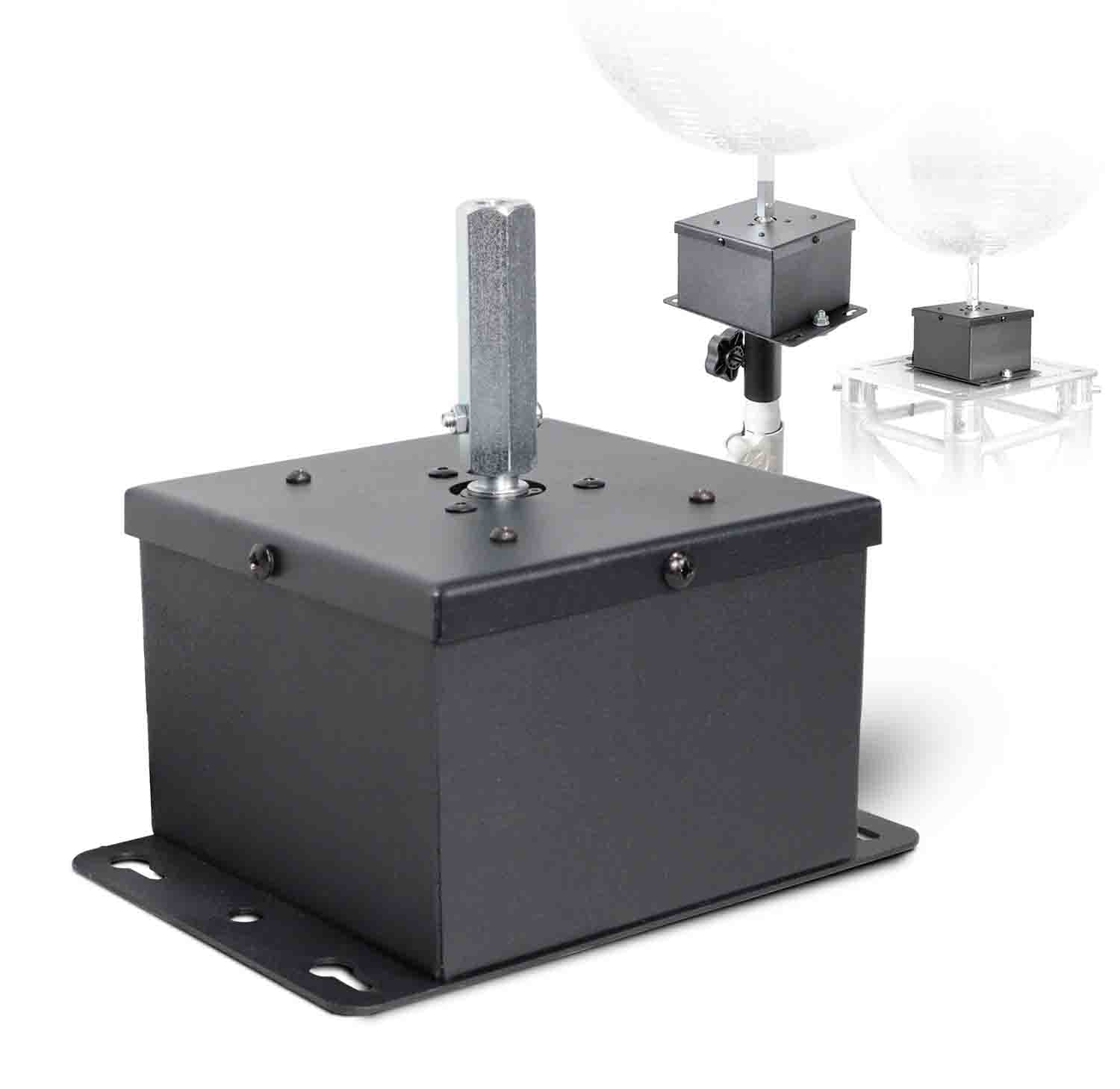
Yes. A mirror ball makes no light of its own; it only reflects light. For the classic moving sparkle you need two things: a rotation motor sized to the ball, and at least one focused light such as a pinspot or small spotlight aimed at the ball. Without a light the ball just looks like a silver sphere, and without a motor the reflections stay still.
What size disco ball do I need?
For bedrooms and small rooms choose 8" to 12". For home parties and living rooms, 12" to 16" works well. Weddings and photo areas look best at 16" to 20", and large dance floors, venues, and clubs usually need 20" to 24" or larger so the reflections fill the space. See our full disco ball size guide.
Are disco balls made of real glass or plastic?
Both are sold. Real glass mirror balls give the brightest, sharpest reflections and are preferred for weddings and venues, while plastic or acrylic-tile balls on a foam or ABS core are lighter, more affordable, and harder to break, which makes them popular for mobile DJs and home decor. Compare them in our glass vs plastic mirror ball guide.
How do you hang a disco ball?
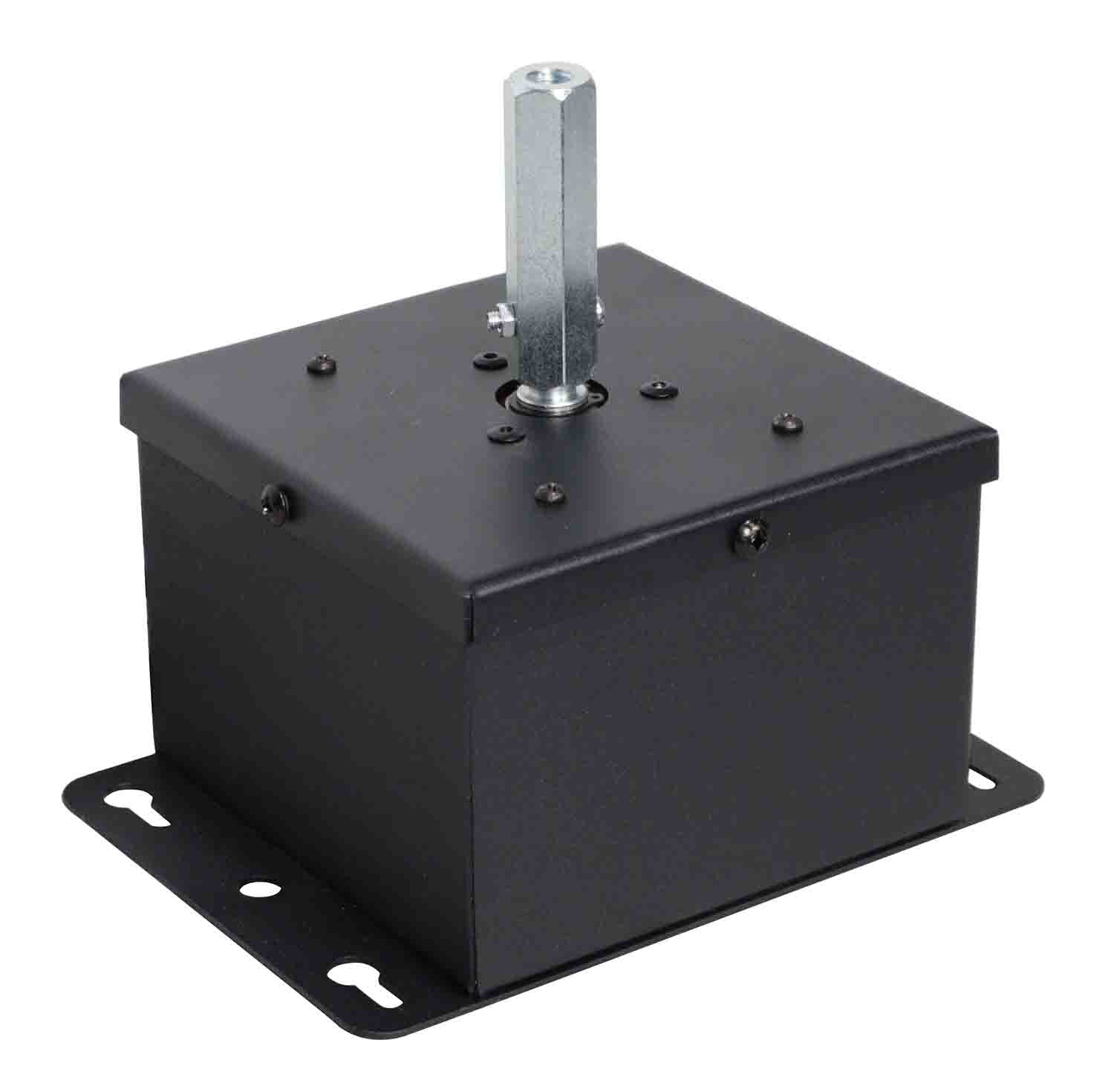
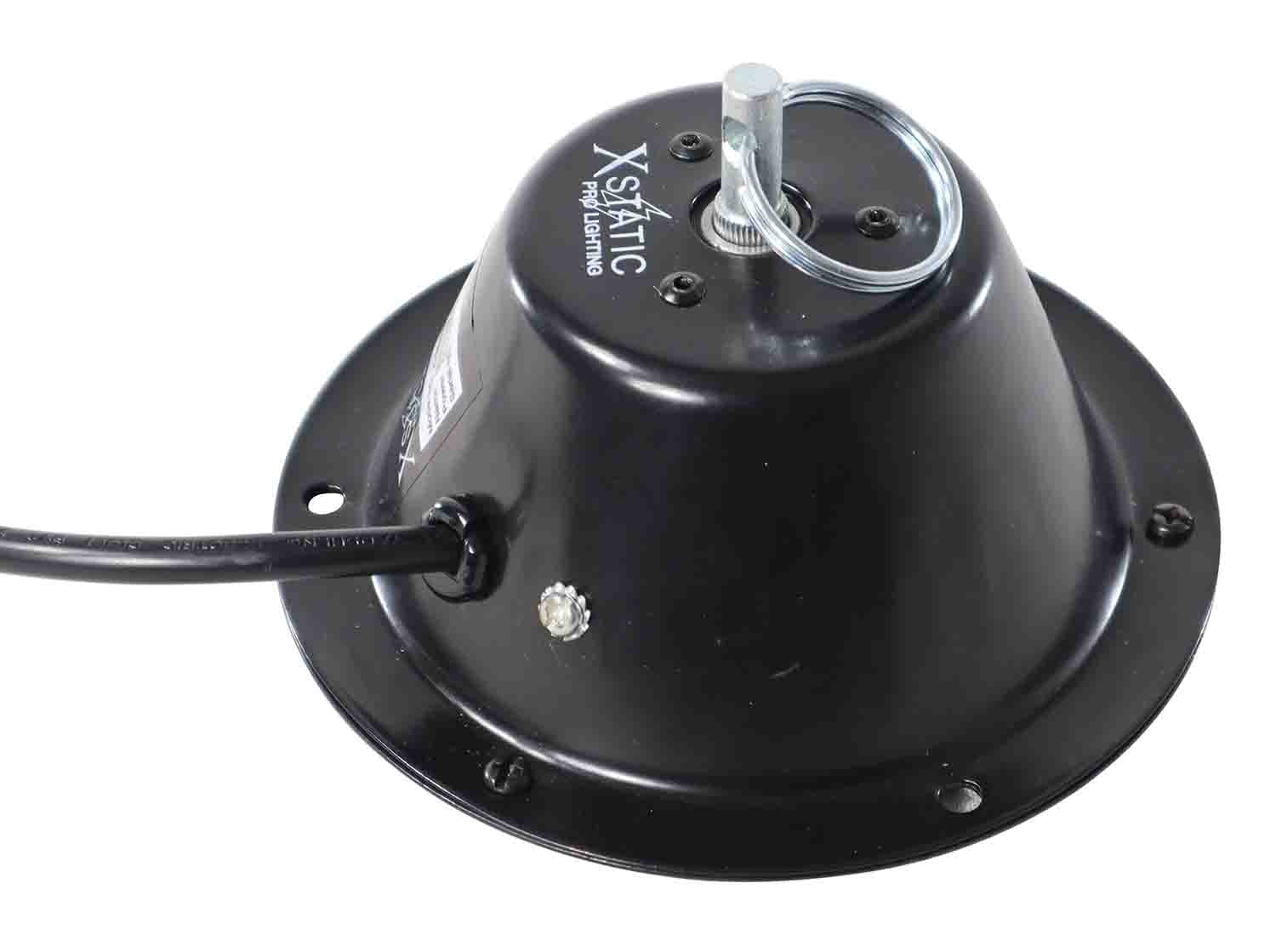
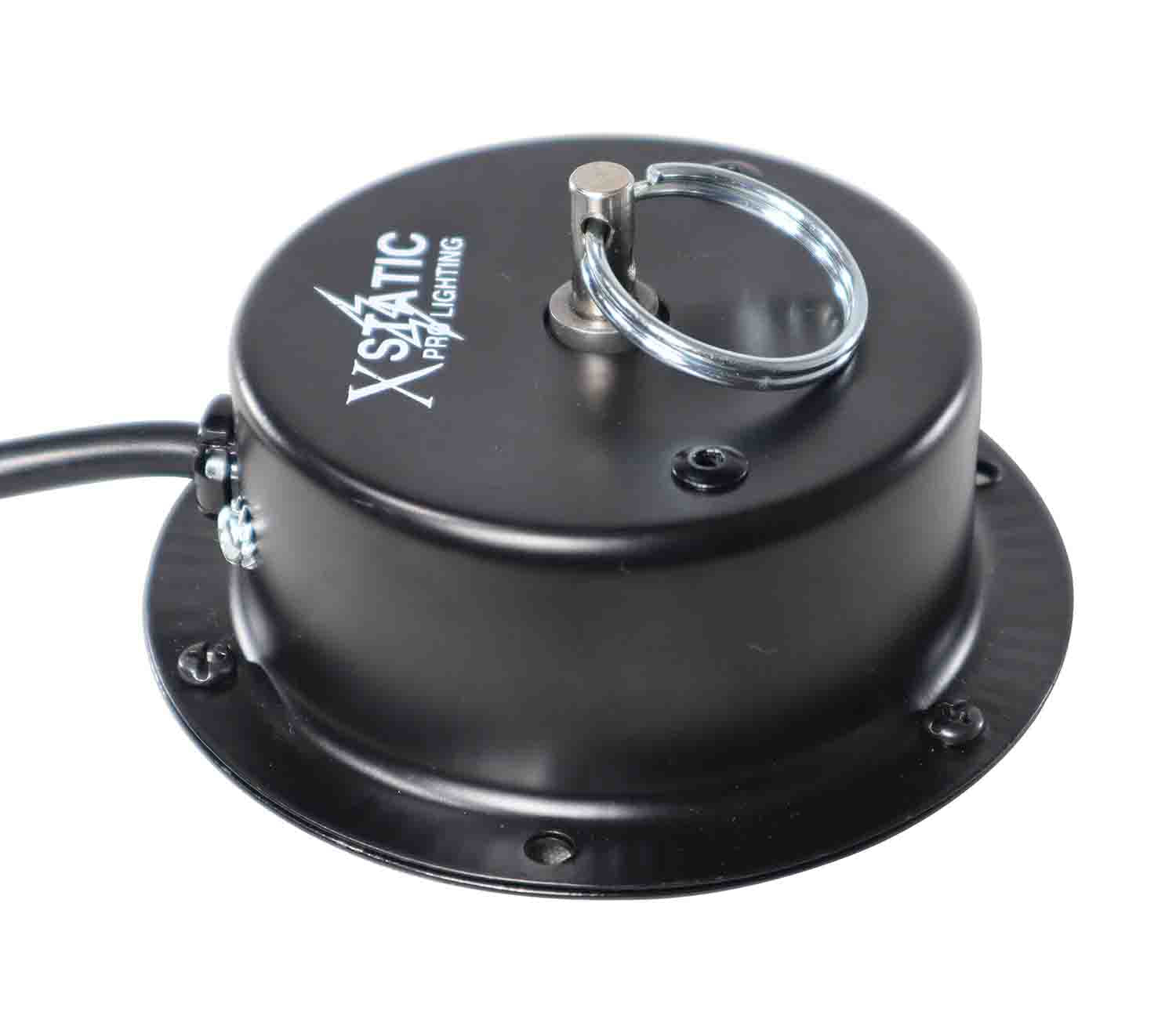
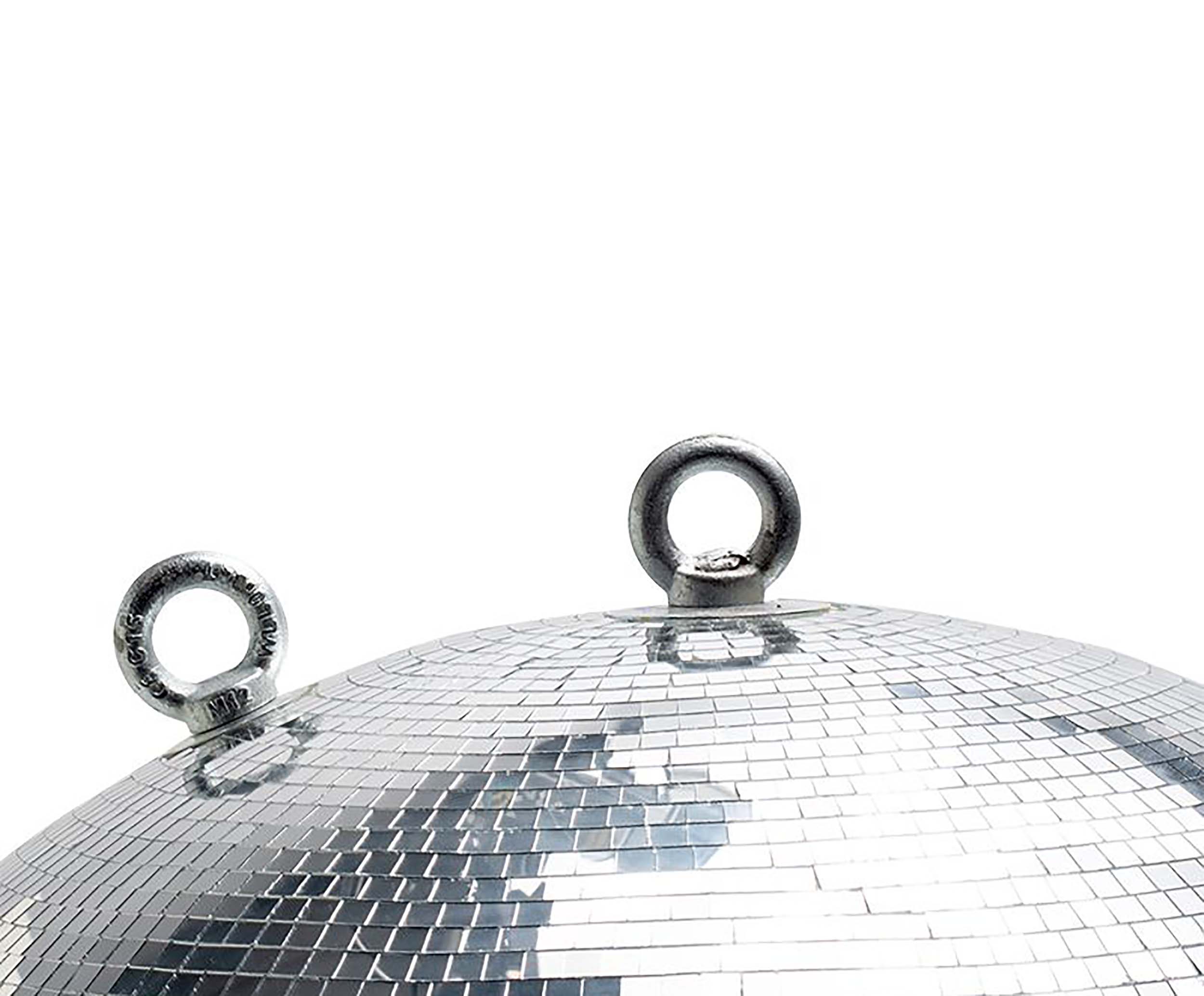
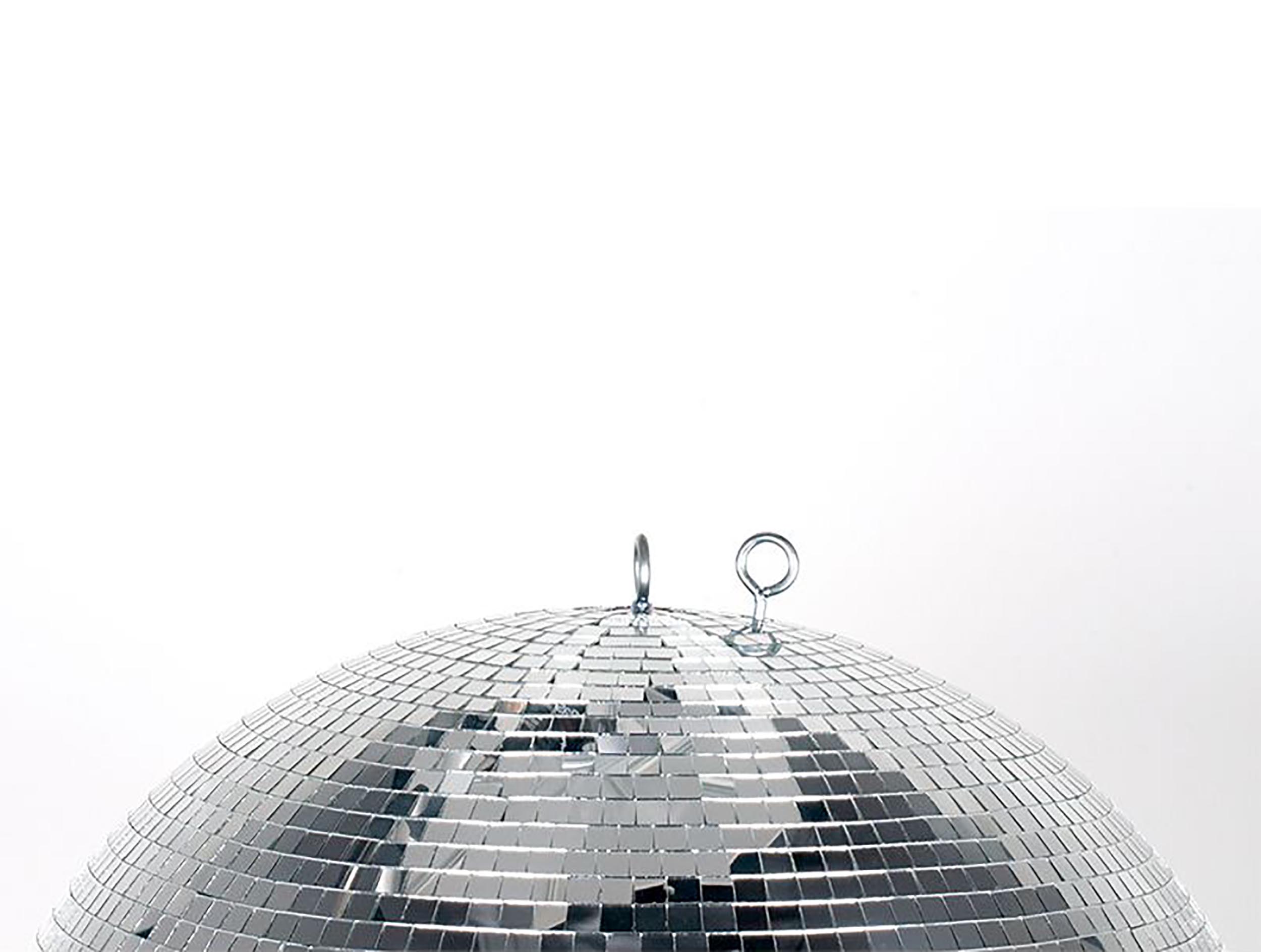
Hang the ball from a rated motor that is screwed or clamped to a secure ceiling point, truss, or mirror-ball stand. Always confirm the motor's weight rating exceeds the ball's weight, use the included hook or eyelet, and add a safety cable for any large or heavy ball. See our step-by-step guide on how to hang a disco ball.
What motor do I need for my mirror ball?
Match the motor to the ball's diameter and weight. Small motors handle balls up to about 12", mid-size 1 RPM motors handle 16" to 20" balls, and heavy-duty or DMX motors are needed for 24" and larger. A slow 1 RPM rotation looks the most elegant; 3 RPM and faster gives a livelier effect. See disco ball motors explained.
Can a disco ball be used outdoors?
Most mirror balls and motors are rated for indoor use only. For outdoor events, keep the ball and motor under cover, away from rain and moisture, and bring them in afterward. Glass-tile balls can also be damaged by temperature swings and condensation.
How many pinspots do I need to light a disco ball?
One pinspot creates a focused single-color effect; two to four pinspots from different angles fill the room with more reflections and let you mix colors. For larger balls and bigger rooms, use more lights with tighter beams so the dots stay crisp. See how to light a disco ball.
Related Disco Ball Guides
- What size disco ball do I need?
- 20 inch disco ball buying guide
- Large disco balls (24"-40") guide
- How to hang a disco ball
- How to light a disco ball with pinspots
- Disco ball motors explained: RPM, weight & DMX
- Glass vs plastic vs foam-core mirror balls
- Disco ball vs mirror-ball effect lights
- How do disco balls work?
- Best disco balls for weddings
- Best disco balls for home parties & DJs