
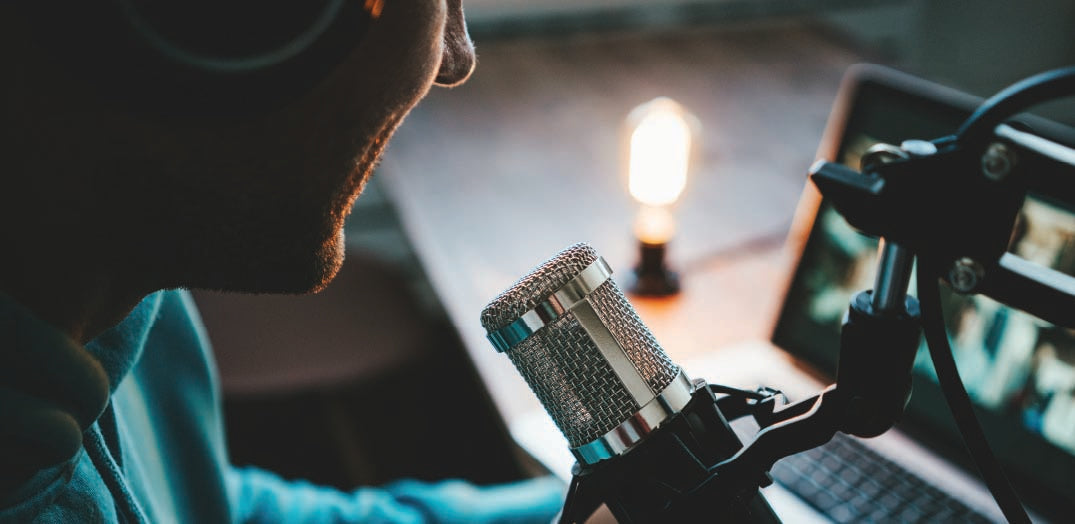
💡 Quick answer: You don't need to spend a lot for clean, professional audio. Our top microphone under $100 for most people is the Headliner Roxy USB Condenser ($79.75) for plug-and-play podcasting and streaming. For live vocals, the Shure PGA58 ($71) is a brand-name standard, and the Peavey PVi 100 ($37.24) is the best ultra-budget XLR pick.
Picking the best microphone for singing, streaming, or podcasting can feel overwhelming, especially on a budget. The good news: a quality mic under $100 can sound clean and professional. The trick is matching the microphone type to how and where you record. Below is our current top six, all in stock at Hollywood DJ, plus a simple guide to choosing between them.
At a Glance: Best Microphones Under $100
| Microphone | Type | Connection | Best for | Price |
|---|---|---|---|---|
| Headliner Roxy | Condenser | USB | Podcasting & streaming | $79.75 |
| Mackie EM-91C | Condenser | XLR (48V phantom) | Home-studio recording | $49.99 |
| Shure PGA58 | Dynamic | XLR | Live vocals | $71.00 |
| sE Electronics V3 | Dynamic | XLR | All-purpose handheld | $69.00 |
| Peavey PVi 100 | Dynamic | XLR | Ultra-budget beginner | $37.24 |
| Gemini GMU-M100 | Wireless dynamic | UHF wireless | Performing untethered | $49.95 |
How to Choose a Budget Microphone
Three quick decisions will narrow the field fast.
Condenser or dynamic?
Condenser mics are more sensitive and detailed, which makes them ideal for studio vocals and acoustic sources in a quiet or treated room. They need power, either over USB or 48V phantom power from an interface. Dynamic mics are rugged and naturally reject background noise, so they shine for live use and untreated rooms.
Cardioid or omnidirectional?
A cardioid (unidirectional) mic picks up mainly from the front and isolates a single voice, which is what most singers, streamers, and podcasters want. An omnidirectional mic captures sound from all directions, which suits ambience, groups, or acoustic recordings.
USB, XLR, or wireless?
USB mics plug straight into a computer with no extra gear, making them the simplest path for podcasting and streaming. XLR mics need an audio interface or mixer but scale into a full pro setup later. Wireless systems free you to move around on stage. Still deciding? Our USB vs XLR microphones for podcasting guide breaks it down in detail.
1. Headliner Roxy USB Condenser: Best for Podcasting & Streaming
Best for: Creators who want broadcast-ready sound with zero setup. Price: $79.75.

The Roxy is a stereo USB condenser that plugs directly into your computer, so there is no interface or mixer to buy. It is purpose-built for podcasting and desktop recording, delivering clean, detailed voice capture straight out of the box. If you want the easiest path to professional-sounding audio under $100, start here.
2. Mackie EM-91C Large-Diaphragm Condenser: Best for Home-Studio Recording
Best for: Detailed vocal and acoustic recording in a treated room. Price: $49.99.

The EM-91C is a large-diaphragm XLR condenser that punches well above its price for studio recording. Its wide, detailed response captures nuance in vocals, acoustic guitar, and voiceover work. You will need an audio interface that supplies 48V phantom power, which makes it a great match for a Focusrite Scarlett if you are building a home studio.
3. Shure PGA58: Best for Live Vocals
Best for: Singers who want a trusted brand-name live mic. Price: $71.00.

From Shure's Performance Gear line, the PGA58 is a cardioid dynamic tuned specifically for vocals, with strong feedback rejection and a road-ready build. It is the budget gateway to the Shure sound that countless stages rely on. Connect it to any mixer or interface with an XLR input and you are ready to perform.
4. sE Electronics V3: Best All-Purpose Handheld
Best for: One mic that handles vocals and instruments. Price: $69.00.

The V3 is a rugged cardioid dynamic that delivers a tighter, more detailed sound than most entry-level mics. It is happy on vocals, guitar cabs, and general live duty, with a tough chassis and a smooth, natural tone. A smart step-up pick for performers who want better build quality without leaving the budget tier.
5. Peavey PVi 100: Best Ultra-Budget XLR Pick
Best for: A reliable first mic or backup that includes a cable. Price: $37.24.

The PVi 100 is a no-frills cardioid dynamic that ships with an XLR cable, so it is ready to plug in the moment it arrives. It is an ideal first microphone for karaoke, practice, events, or as a dependable spare. For the price, the clear vocal pickup and durable metal build are hard to beat.
6. Gemini GMU-M100 Wireless System: Best Budget Wireless
Best for: Performers and presenters who need to move freely. Price: $49.95.

The GMU-M100 is a UHF wireless handheld system that cuts the cable for stage shows, events, and presentations. The receiver connects to your mixer or PA, and the handheld transmitter gives you room to roam. It is the most affordable way on this list to go wireless without sacrificing reliable performance.
Honorable Mentions
A few more in-stock favorites worth a look if you want to compare:
- Peavey PVi 2 ($41.49). Another solid budget XLR dynamic for vocals.
- Shure PGA57 ($71.00). The instrument-focused sibling of the PGA58 for amps and drums.
- AKG P3 S ($69.00). A versatile dynamic with an on/off switch.
Ready to Step Up?
When you outgrow the budget tier, a dedicated podcasting or studio mic is the natural next move. Explore the full microphones collection and our podcast equipment lineup, or read our Shure SM7B deep dive to see what a studio-standard upgrade looks like.
Budget Microphone FAQ
What is the best microphone under $100 for beginners?
For the easiest start, a USB condenser like the Headliner Roxy ($79.75) needs no extra gear and plugs straight into a computer. If you want an XLR mic, the Peavey PVi 100 ($37.24) is the cheapest option and includes a cable, while the Shure PGA58 ($71) is a brand-name standard for live vocals.
What is the best USB microphone under $100?
The Headliner Roxy stereo USB condenser ($79.75) is our top plug-and-play pick. It connects directly to your computer, which makes it ideal for podcasting, streaming, and desktop recording without an audio interface.
Are microphones under $100 good enough for podcasting and streaming?
Yes. A quality budget mic can sound clean and professional. The key is matching the microphone type to your environment and use, rather than simply spending more.
Condenser or dynamic, which is better for under $100?
Condenser mics capture more detail and quiet sounds, which is ideal for treated studio spaces. Dynamic mics are more durable and reject background noise, making them better for live use and untreated rooms.
What is the difference between cardioid and omnidirectional microphones?
A cardioid (unidirectional) mic picks up mainly from the front and isolates a single voice. An omnidirectional mic captures sound from all directions, which suits ambience, groups, or acoustic recordings.
Do budget microphones need an audio interface or phantom power?
XLR dynamic mics need an interface or mixer, and XLR condensers also need 48V phantom power. USB mics plug straight into a computer with no extra gear, and wireless systems use their own receiver.
What is the best budget mic for live vocals?
The Shure PGA58 ($71) and sE Electronics V3 ($69) are excellent wired choices. If you need to move cable-free on stage, the Gemini GMU-M100 wireless system ($49.95) is the best value.
Related Reading
- USB vs XLR Microphones for Podcasting. Choose the right connection type for your show.
- Shure SM7B Microphone: A Closer Look. The studio-standard upgrade when you are ready.