



Description
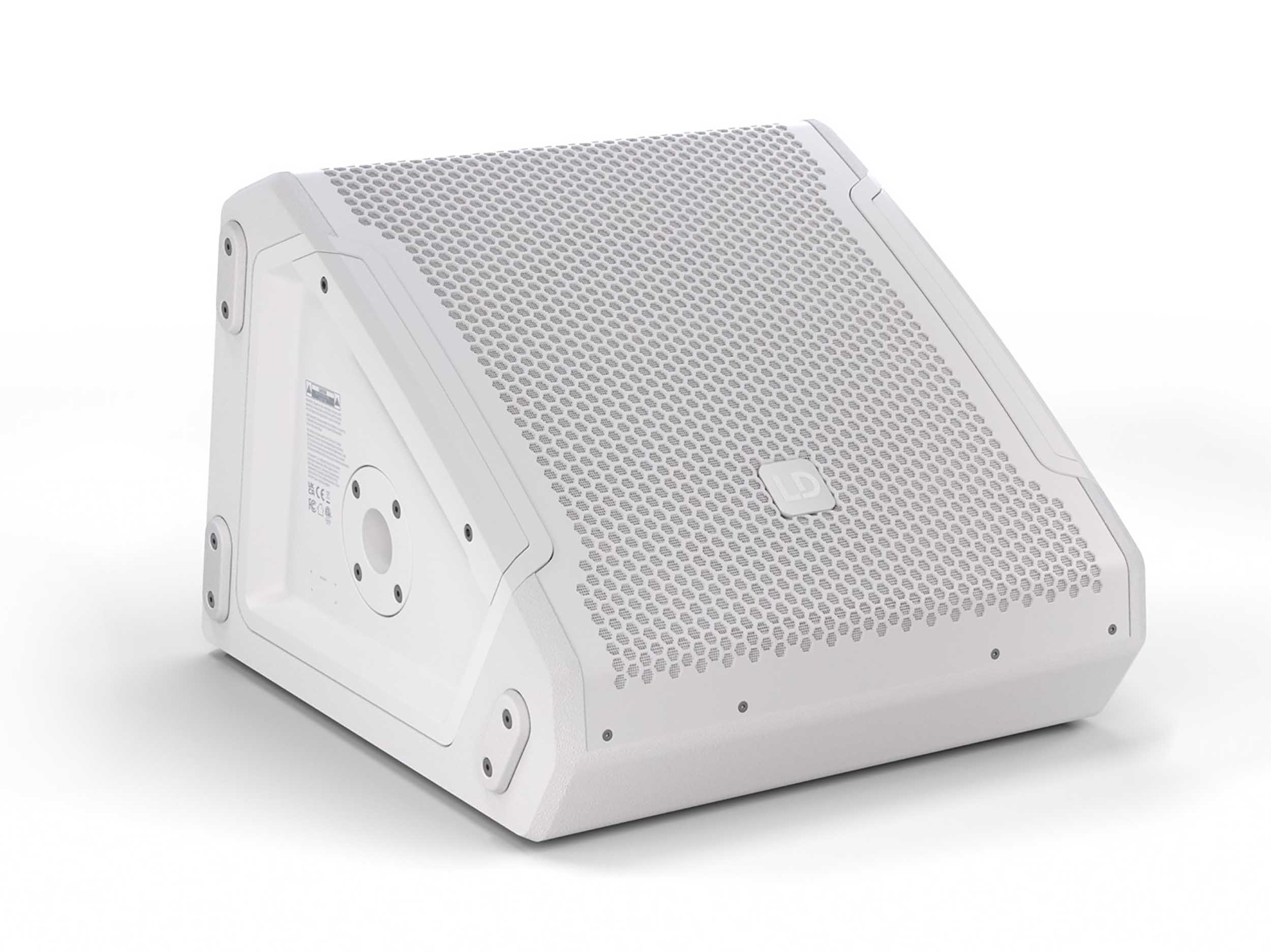
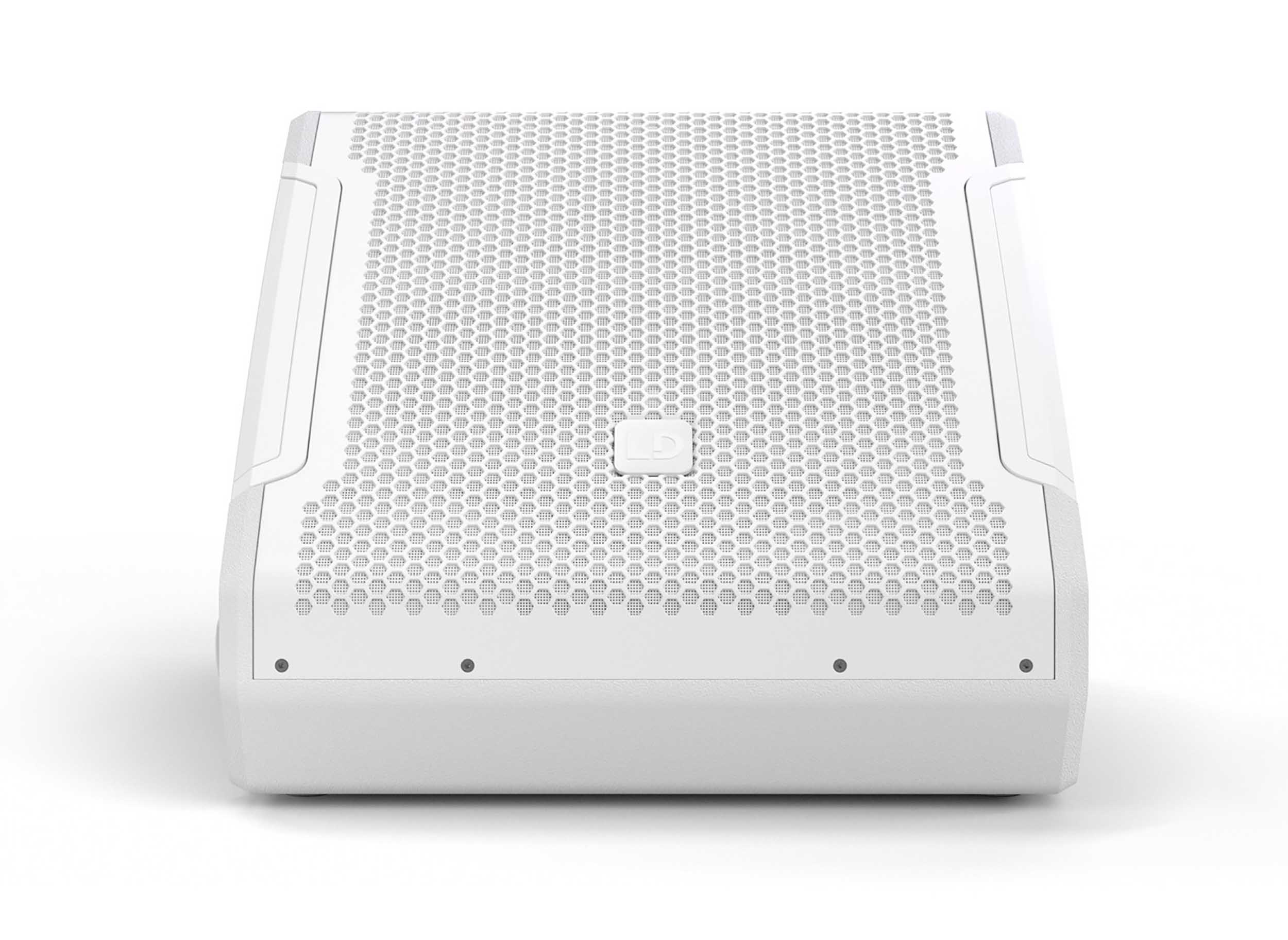
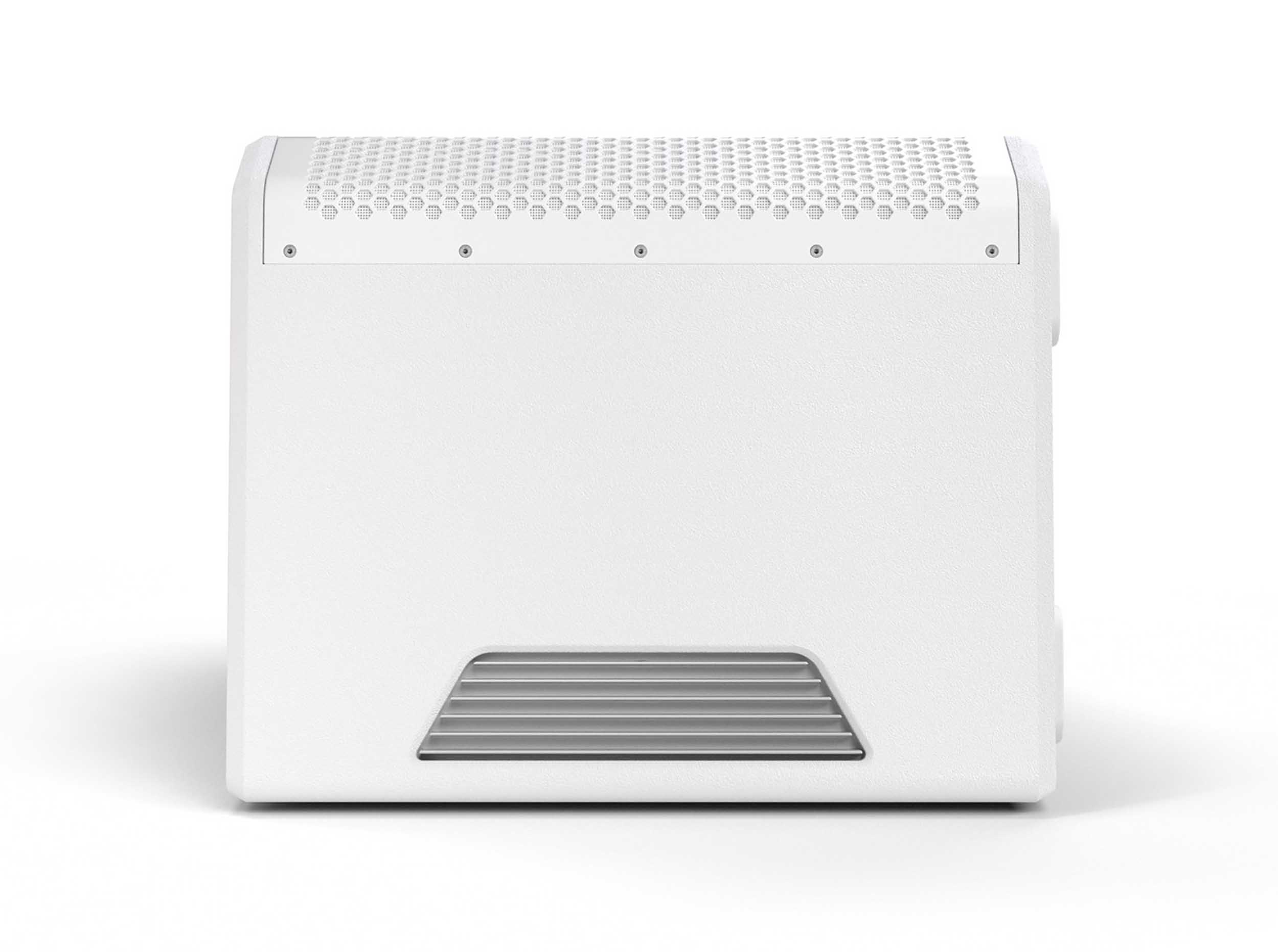
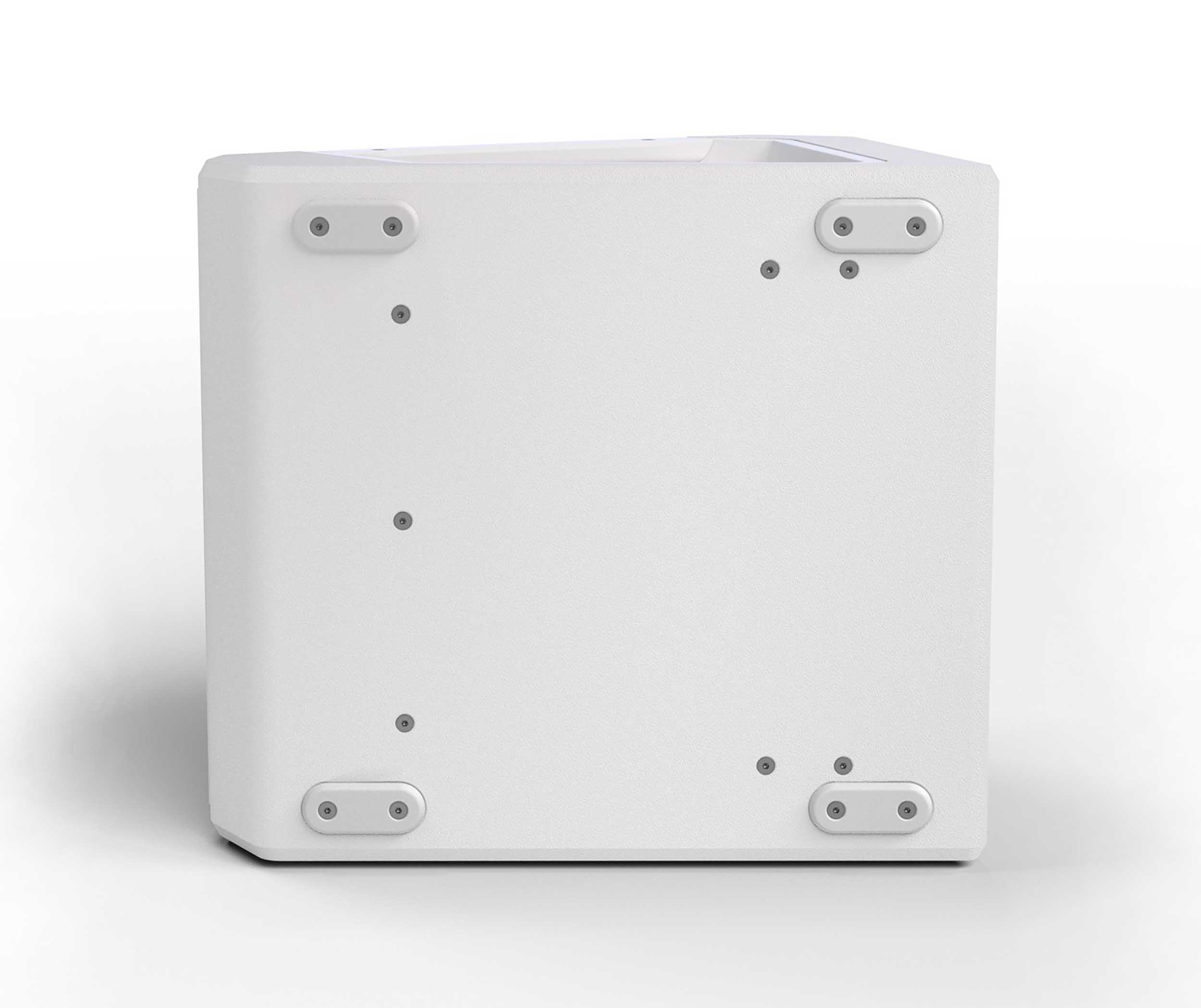
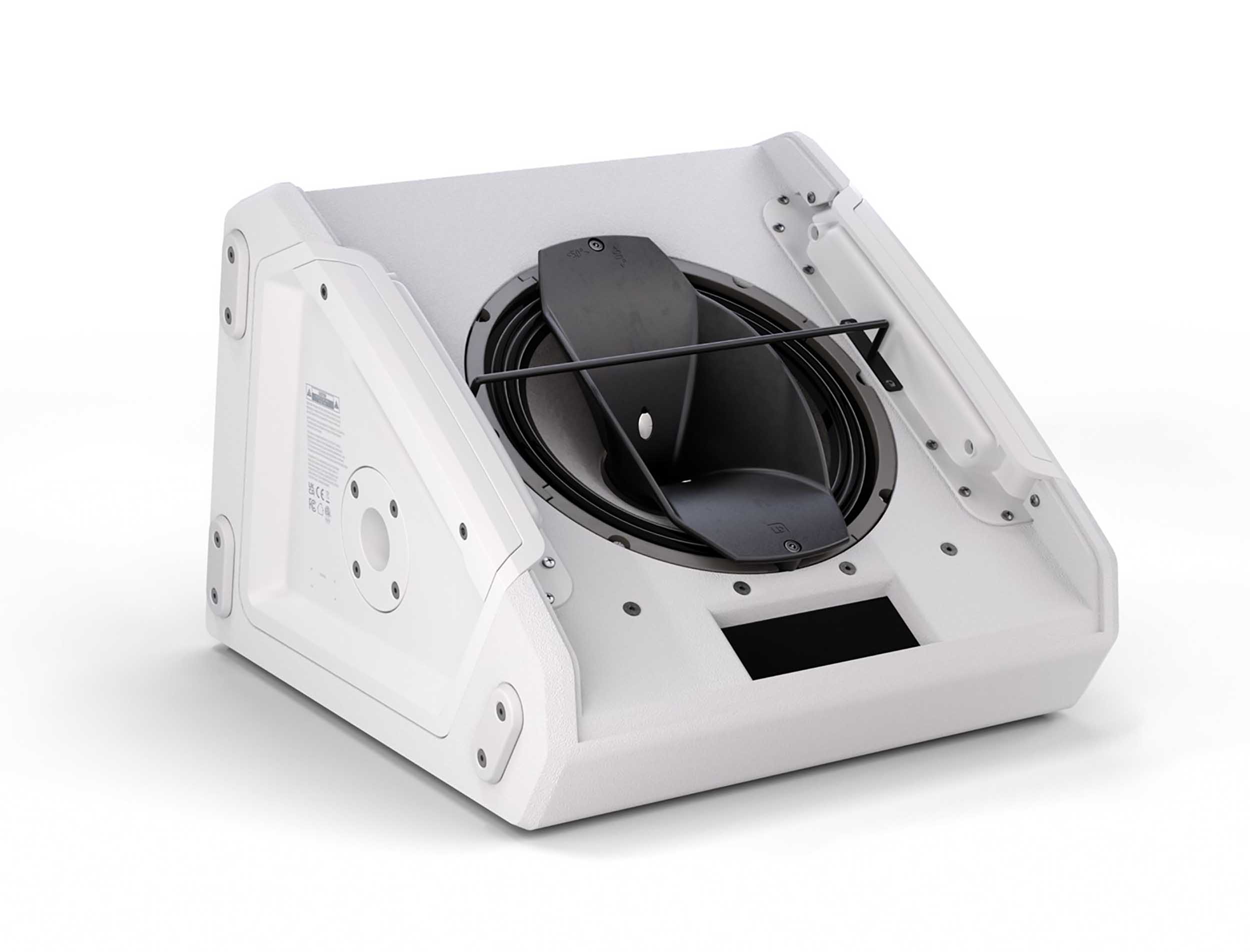
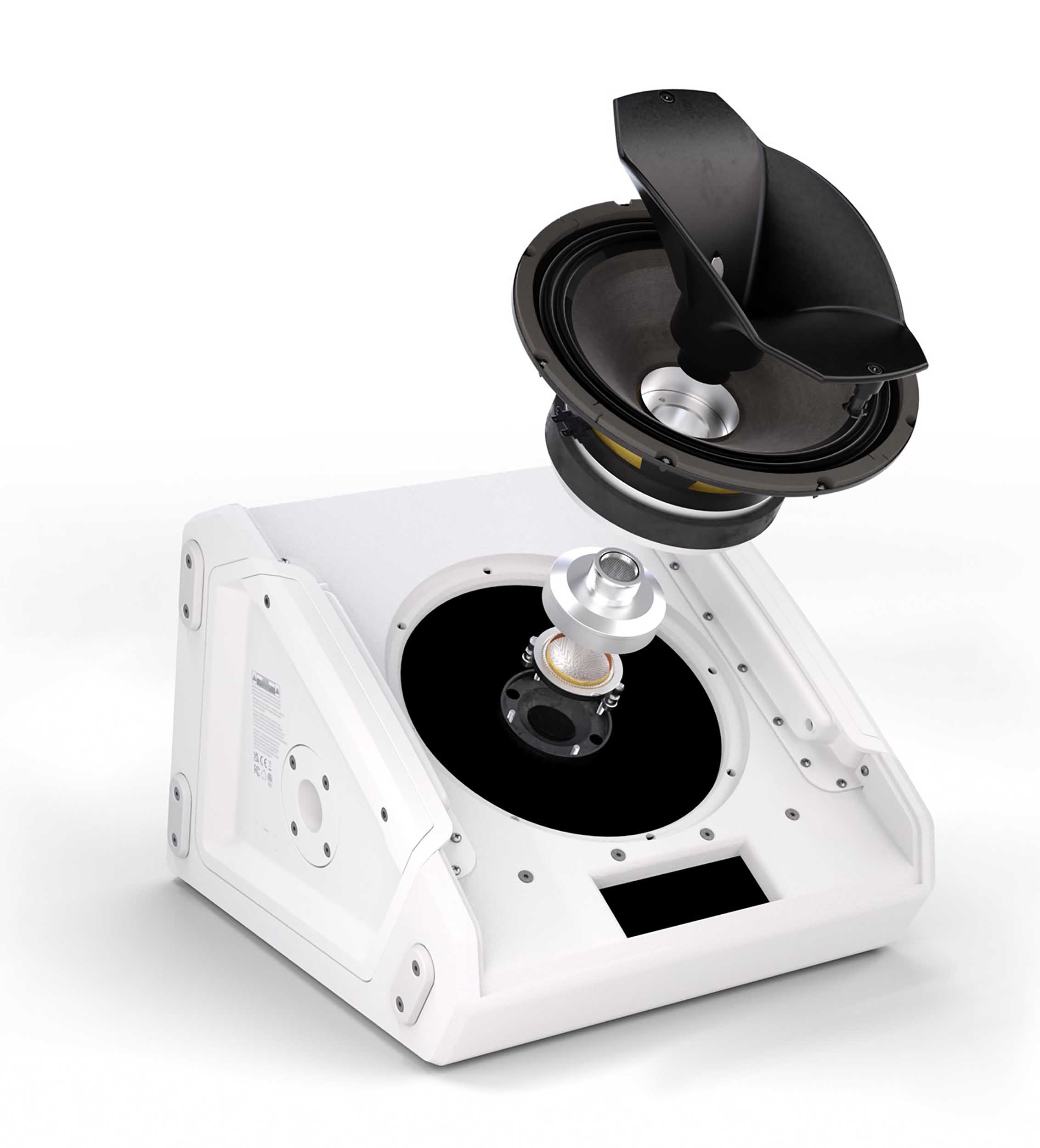
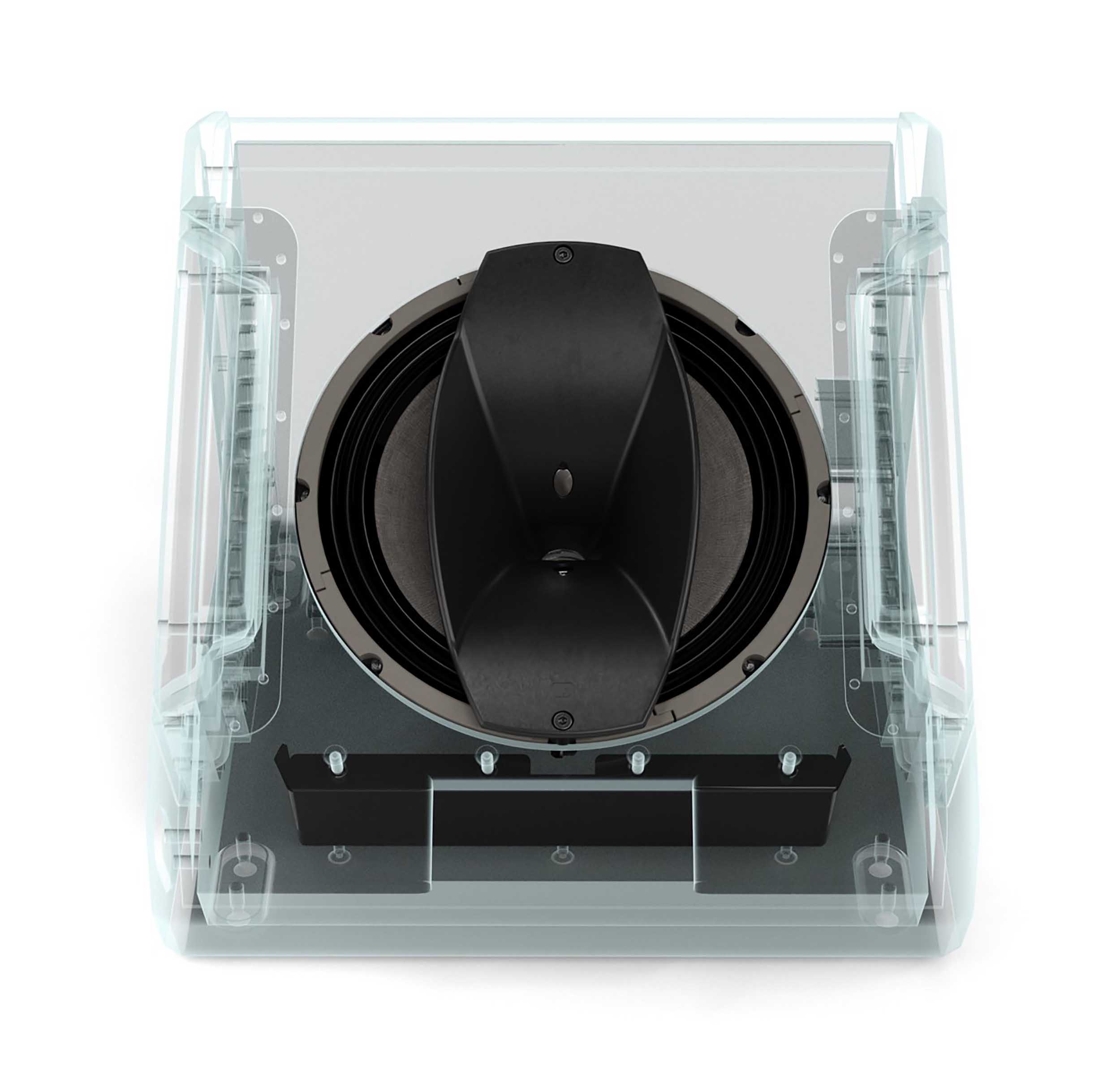
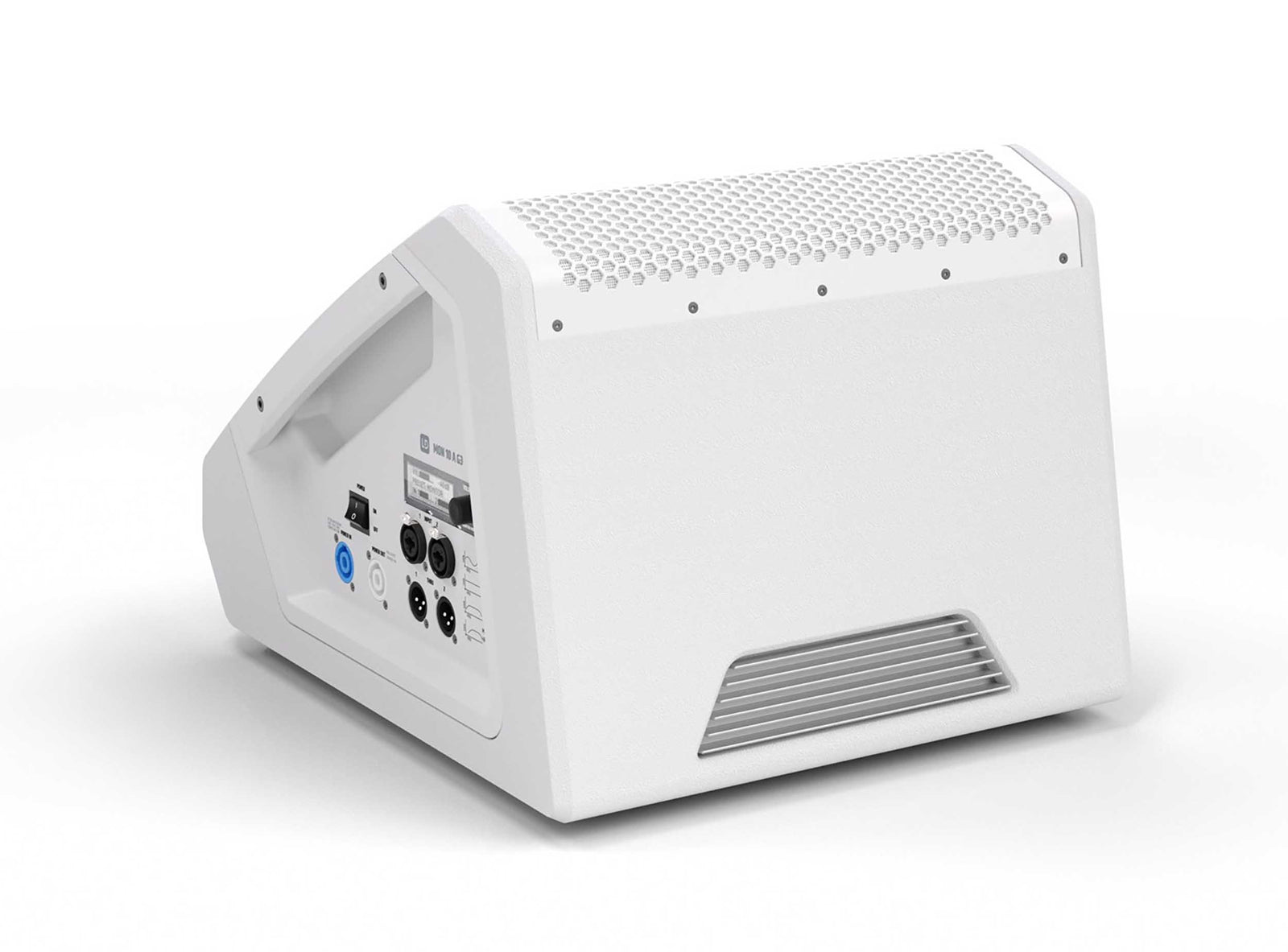
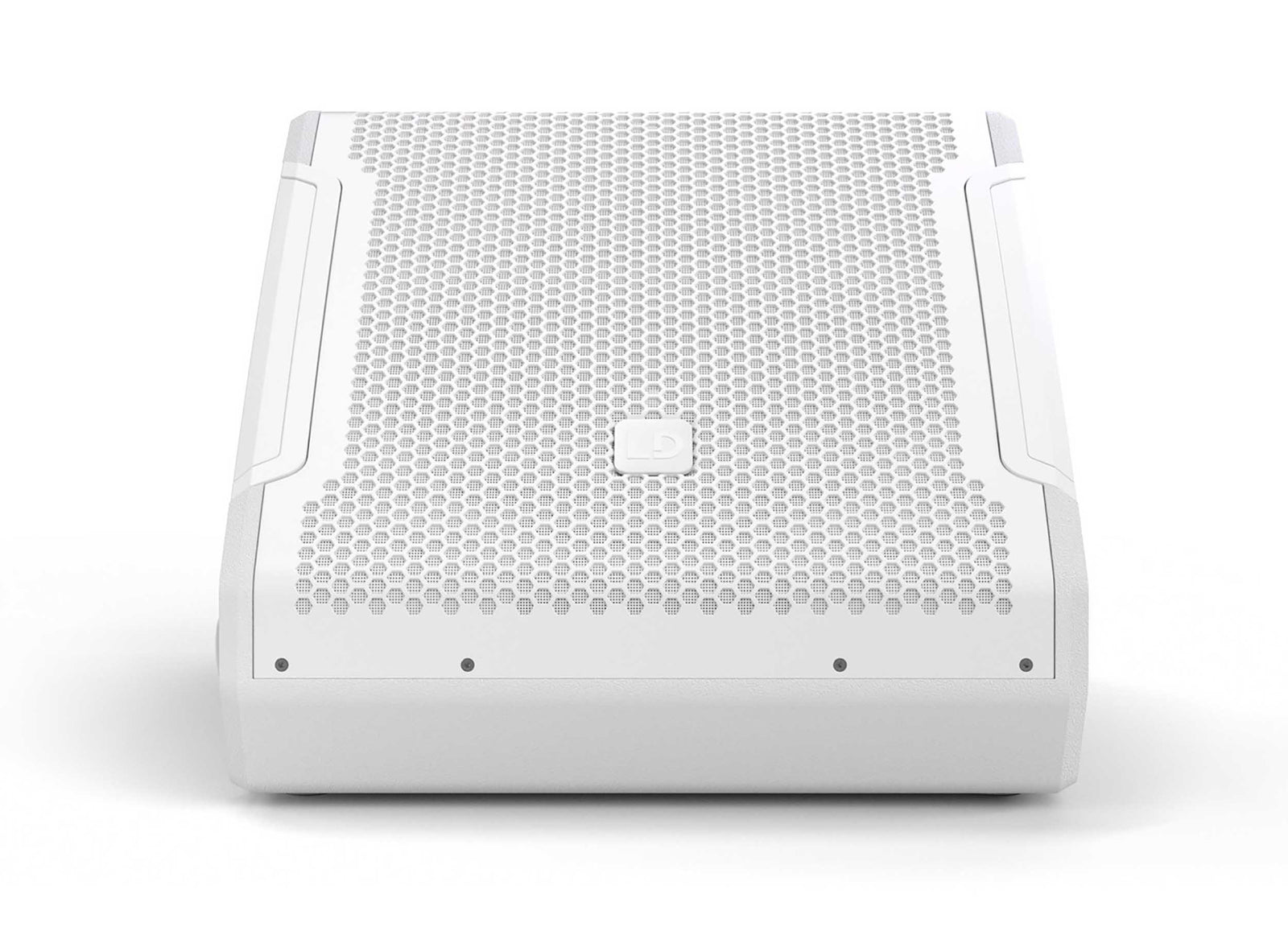
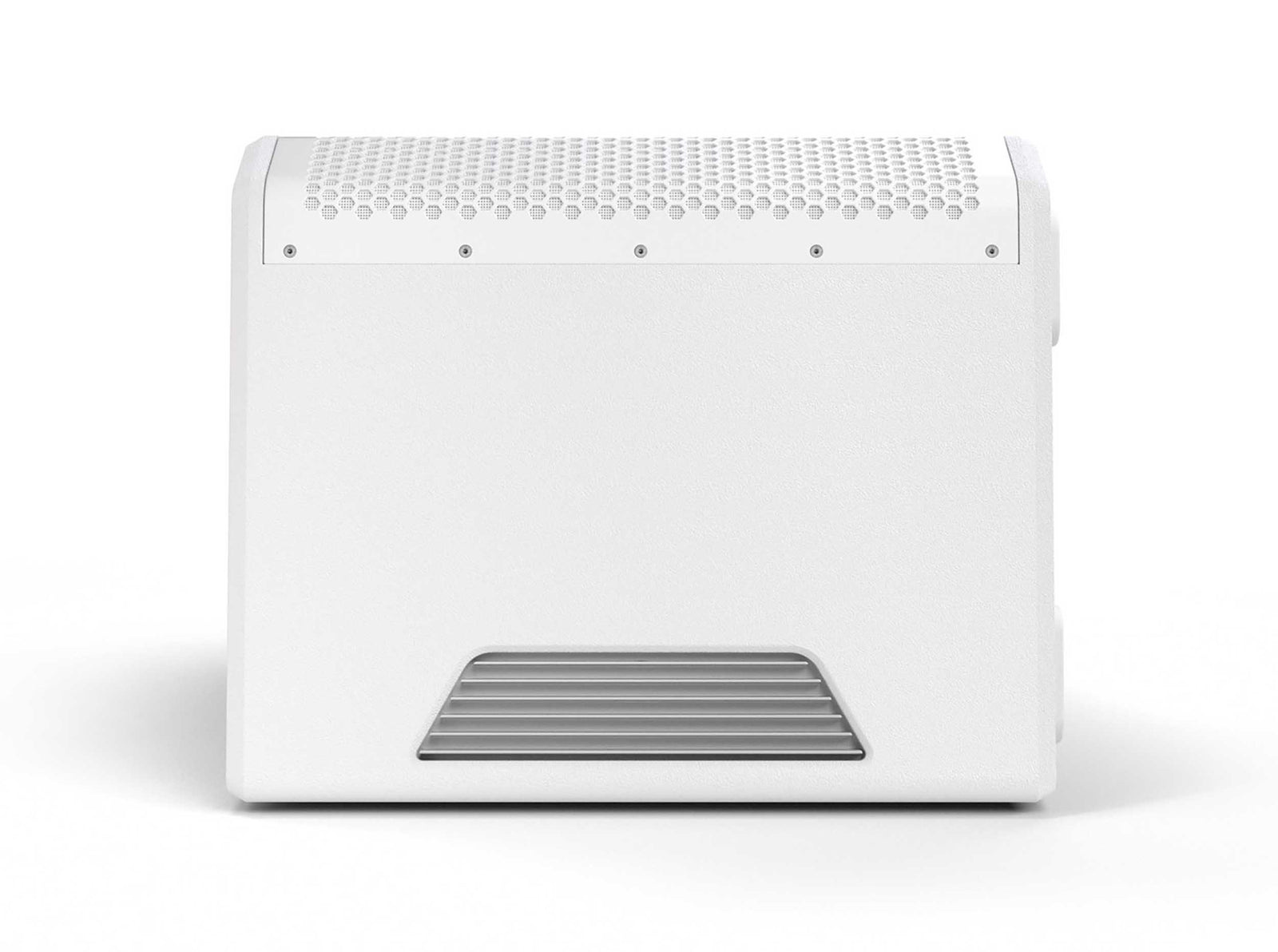
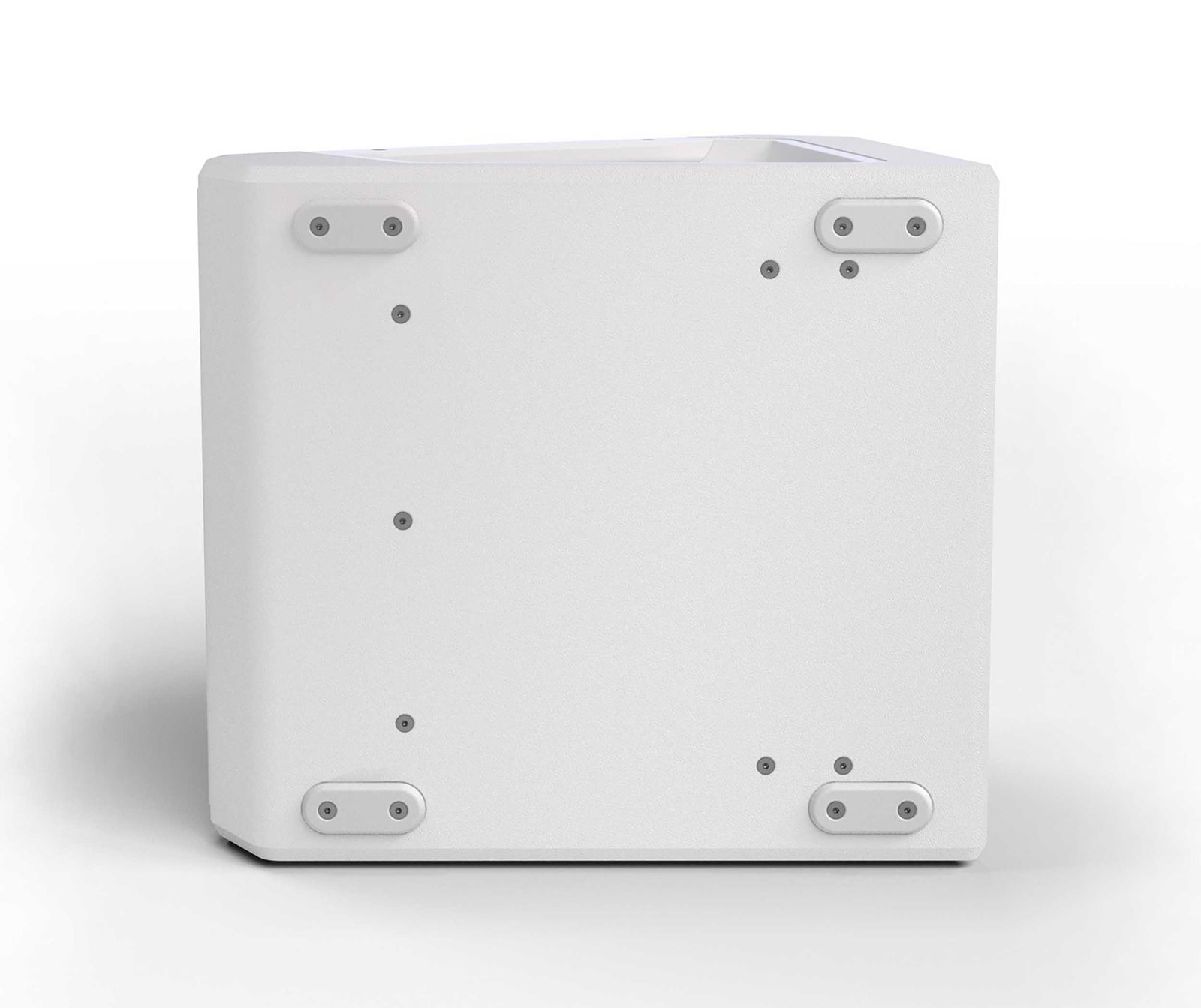
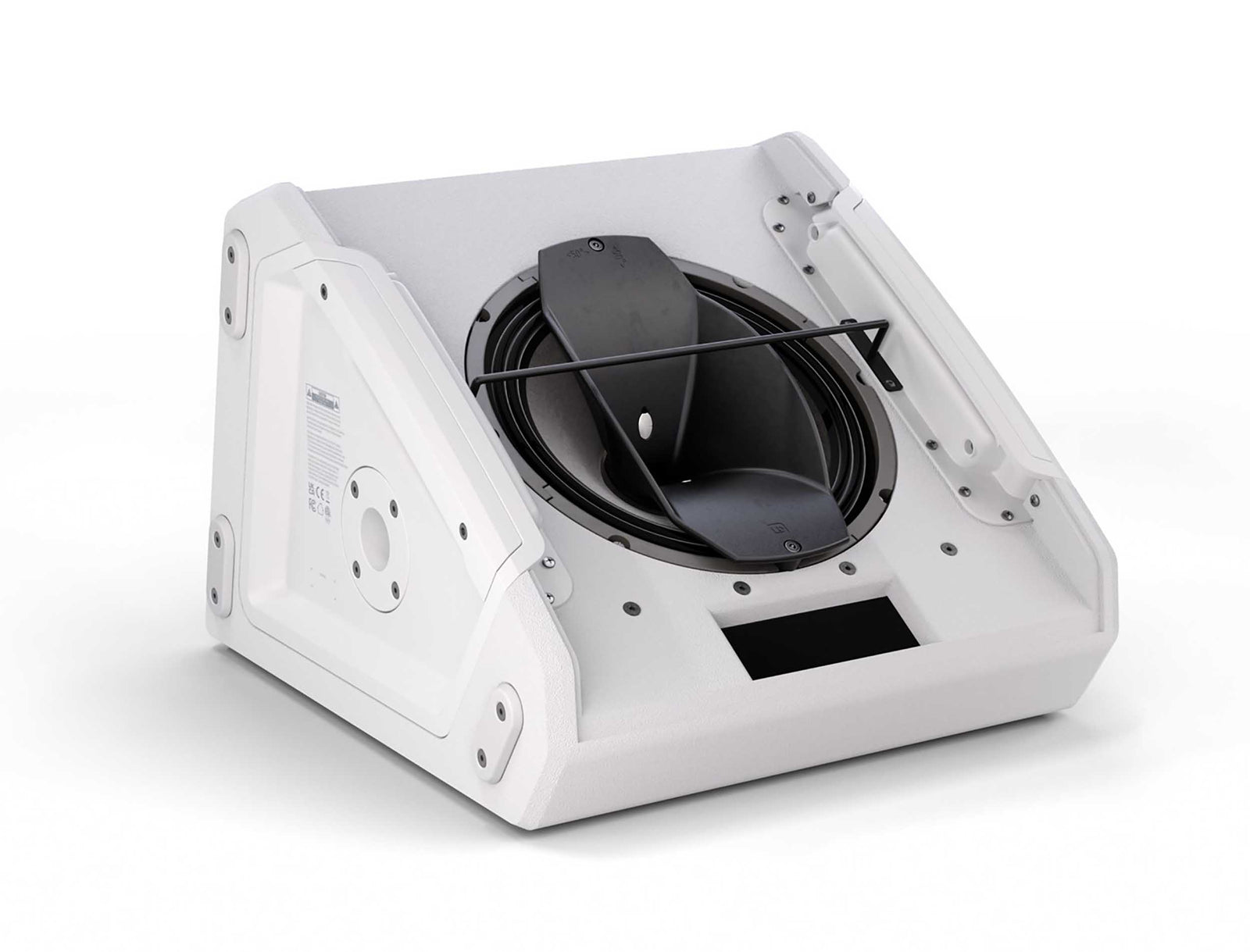
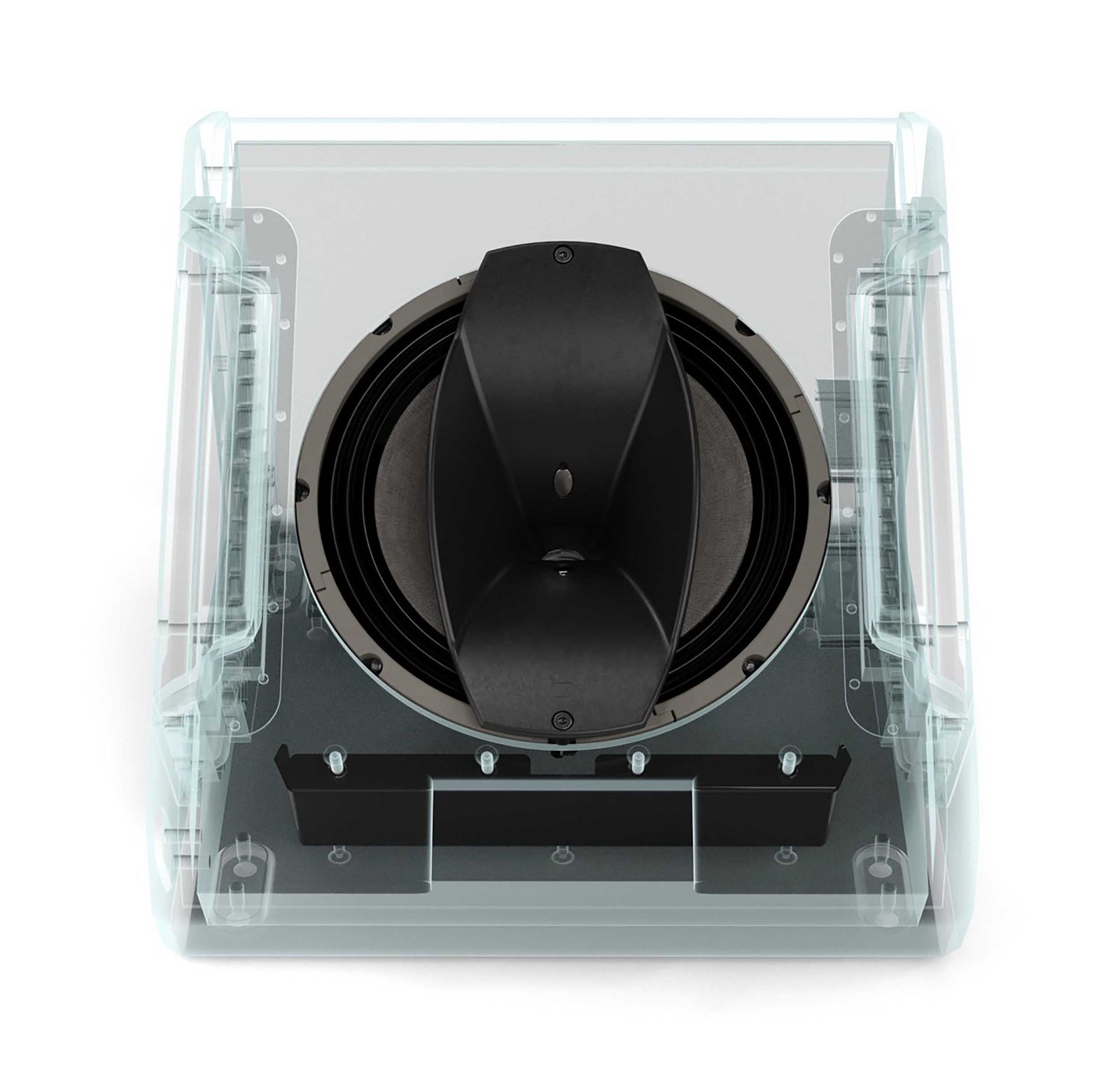
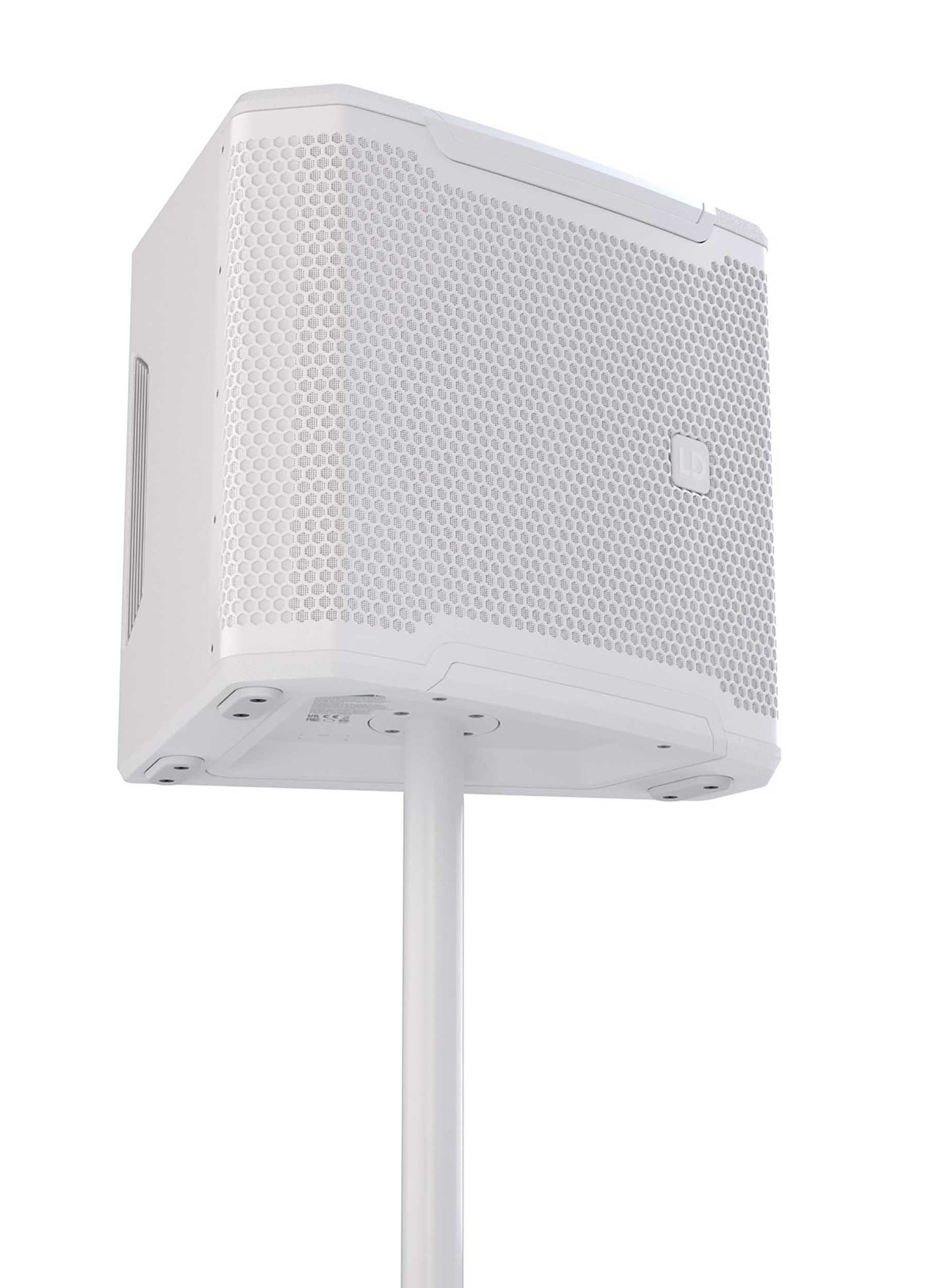
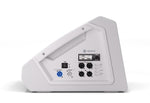
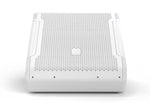
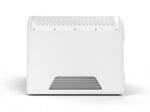
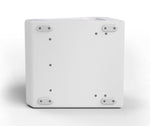
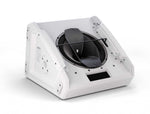
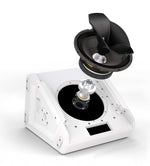
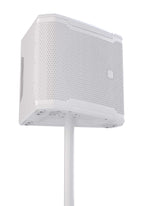
The LD Systems MON 10 A G3 W (LDS-MON10AG3W, MON10AG3W) is a 10-inch powered coaxial stage monitor in white for bands, houses of worship, mobile DJs and production companies. A Class D amplifier drives 300 W RMS / 1200 W peak into a coaxial 10-inch woofer and a titanium-diaphragm HF driver on an integrated 50° x 90° CD horn, producing 118 dB average and 126 dB peak maximum SPL with low-frequency response down to 58 Hz (-10 dB). The cabinet is a fixed 33° wedge, 15.0 x 16.8 x 12.0 in (380 x 426 x 305 mm) and 33.5 lb (15.21 kg), with two handles and a 35 mm stand flange so the same box can be poled up for front-of-house duty. The "W" in MON10AG3W is the white finish; LD Systems builds the identical model in black as the MON 10 A G3.
MON 10 A G3 W vs the MON 8 and MON 12: which size do you need?
Pick by low-frequency reach and weight, not by power, because all four white MON G3 wedges run the same 300 W RMS / 1200 W peak Class D amplifier, the same 50° x 90° coaxial horn and the same 33° cabinet angle. What actually separates them is woofer size, where the crossover lands, maximum SPL and how heavy they are to load in.
| MON 8 A G3 W | MON 10 A G3 W | MON 12 A G3 W | MON 15 A G3 W | |
|---|---|---|---|---|
| Woofer | 8" | 10" | 12" | 15" |
| Max SPL, peak | 121 dB | 126 dB | 127 dB | 129 dB |
| Max SPL, average | 116 dB | 118 dB | 120 dB | 122 dB |
| Frequency response (-10 dB) | 59 to 20,000 Hz | 58 to 20,000 Hz | 55 to 20,000 Hz | 48 to 20,000 Hz |
| Crossover | 2,500 Hz | 1,700 Hz | 1,400 Hz | 1,300 Hz |
| W x D x H | 340 x 368 x 278 mm | 380 x 426 x 305 mm | 425 x 453 x 315 mm | 505 x 517 x 340 mm |
| Weight | 29.1 lb (13.2 kg) | 33.5 lb (15.21 kg) | 38.4 lb (17.4 kg) | 51.0 lb (23.15 kg) |
| Amplifier | 300 W RMS / 1200 W peak, Class D, identical across all four | |||
| Dispersion and wedge angle | 50° x 90°, 33°, identical across all four | |||
Reading that table for a buying decision:
- 5 dB more peak SPL than the MON 8, 1 dB less than the MON 12. The step up from the 8-inch model is audible on a loud stage. The step down from the 12-inch model is not, so choosing between the 10 and the 12 is a low-end and weight decision rather than a headroom one.
- Low-frequency reach is a hair better than the MON 8, and that is all. 58 Hz against 59 Hz at -10 dB. Buying up for low end means the MON 12 at 55 Hz or the MON 15 at 48 Hz; the MON 10 is not where that gain lives.
- Crossover falls from 2,500 Hz to 1,700 Hz. The 10-inch woofer keeps the upper vocal range that the MON 8 hands over to its compression driver. On a vocal wedge that handover point tends to matter more than the SPL rating.
- Roughly 4.4 lb over the MON 8 and 4.8 lb under the MON 12. Any of those three is a single-trip carry. The MON 15 at 51 lb is the one that changes your load-in.
Those low-frequency rows use the -10 dB figures deliberately. LD Systems publishes 68 to 18,000 Hz at -3 dB for both the 8-inch and the 12-inch cabinet, and 72 to 18,000 Hz for this 10-inch one, so the -3 dB column cannot be used to rank the series by low-end extension.
Why does a point-source wedge sound different up close?
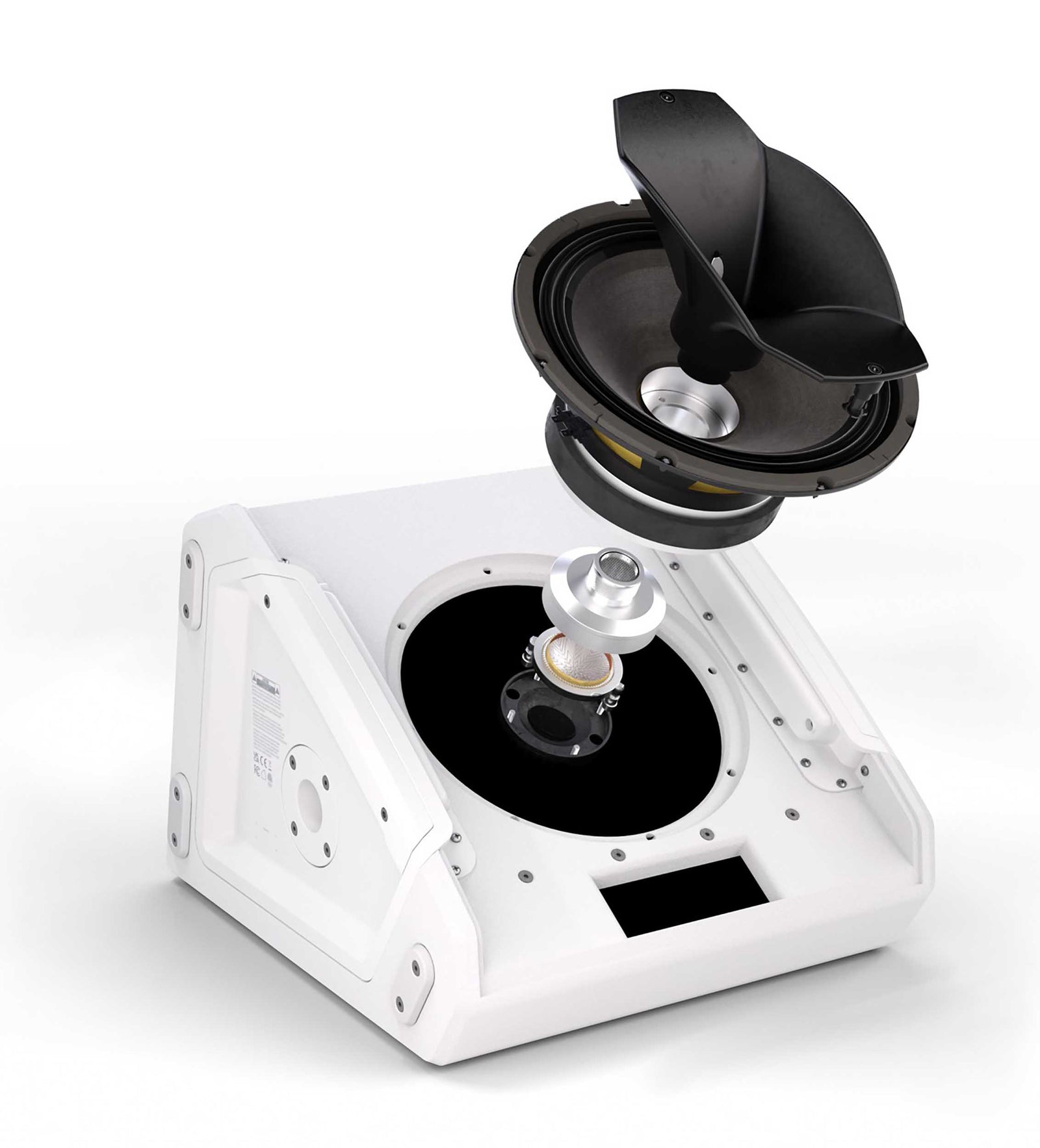
Because a coaxial cabinet has no center-to-center spacing between its drivers to resolve, so it is already coherent at the short distances a wedge works over. Drivers mounted next to each other need room before their outputs sum properly; a performer stands close enough to a floor monitor to be inside that range, which is where the tonal shift comes from when someone leans in or steps to the side. Nesting the HF driver in the throat of the 10-inch woofer removes the geometry that causes it, so the balance a singer hears stays put as they move across the front of the box.
Does it double as a front-of-house speaker on a pole?
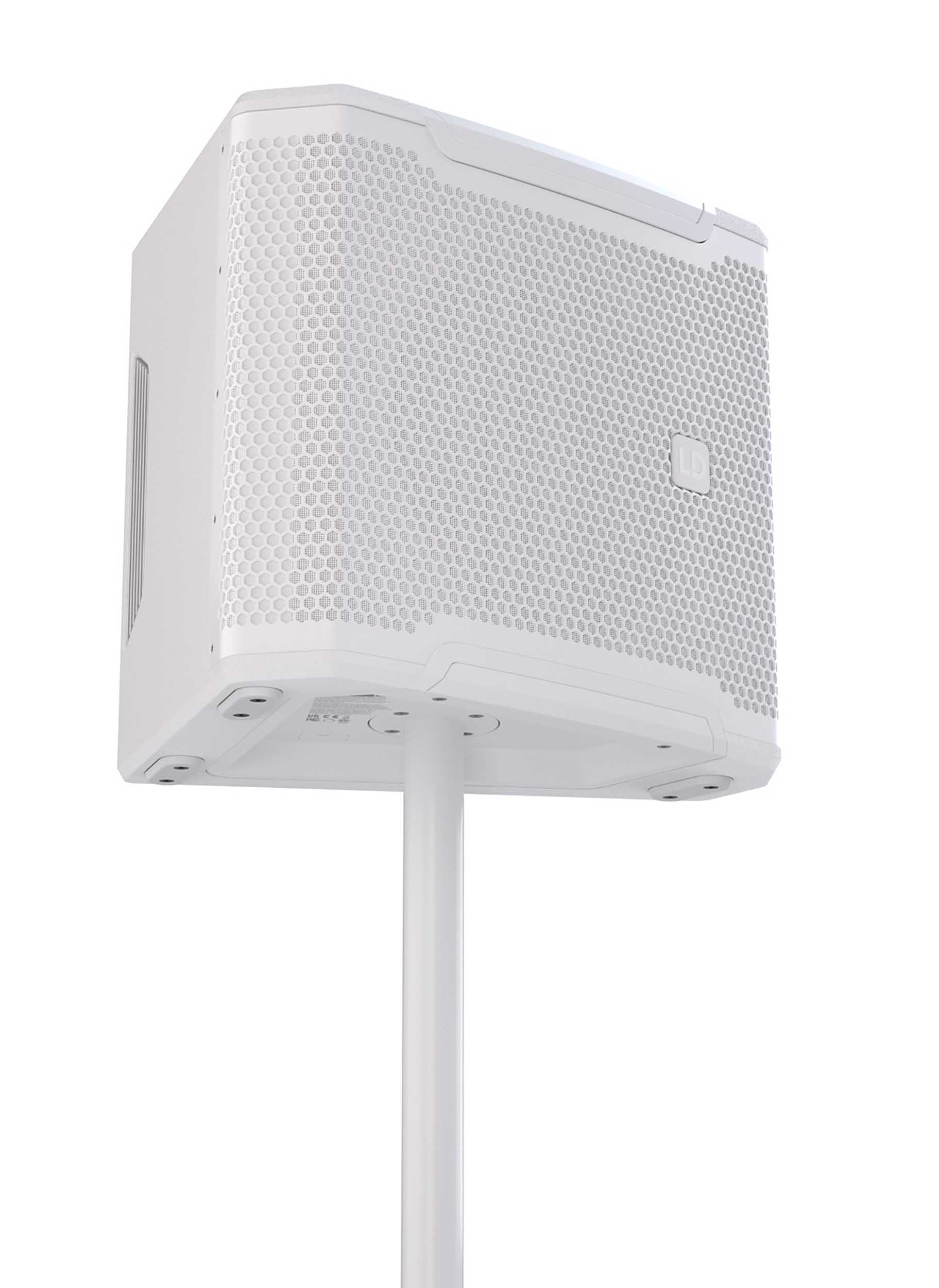
Yes, there is a 35 mm stand flange on the cabinet for exactly that. Rotating the box out of its wedge position also rotates the horn, so the 50° horizontal by 90° vertical pattern becomes 90° horizontal by 50° vertical, which is the shape you want thrown across an audience rather than at one performer. That lets one set of cabinets cover two jobs: wedges on the deck for the band, the spares up on poles as fills or a small front system. Compare the rest of the range in stage monitors.
What can you fix from the rear panel during soundcheck?
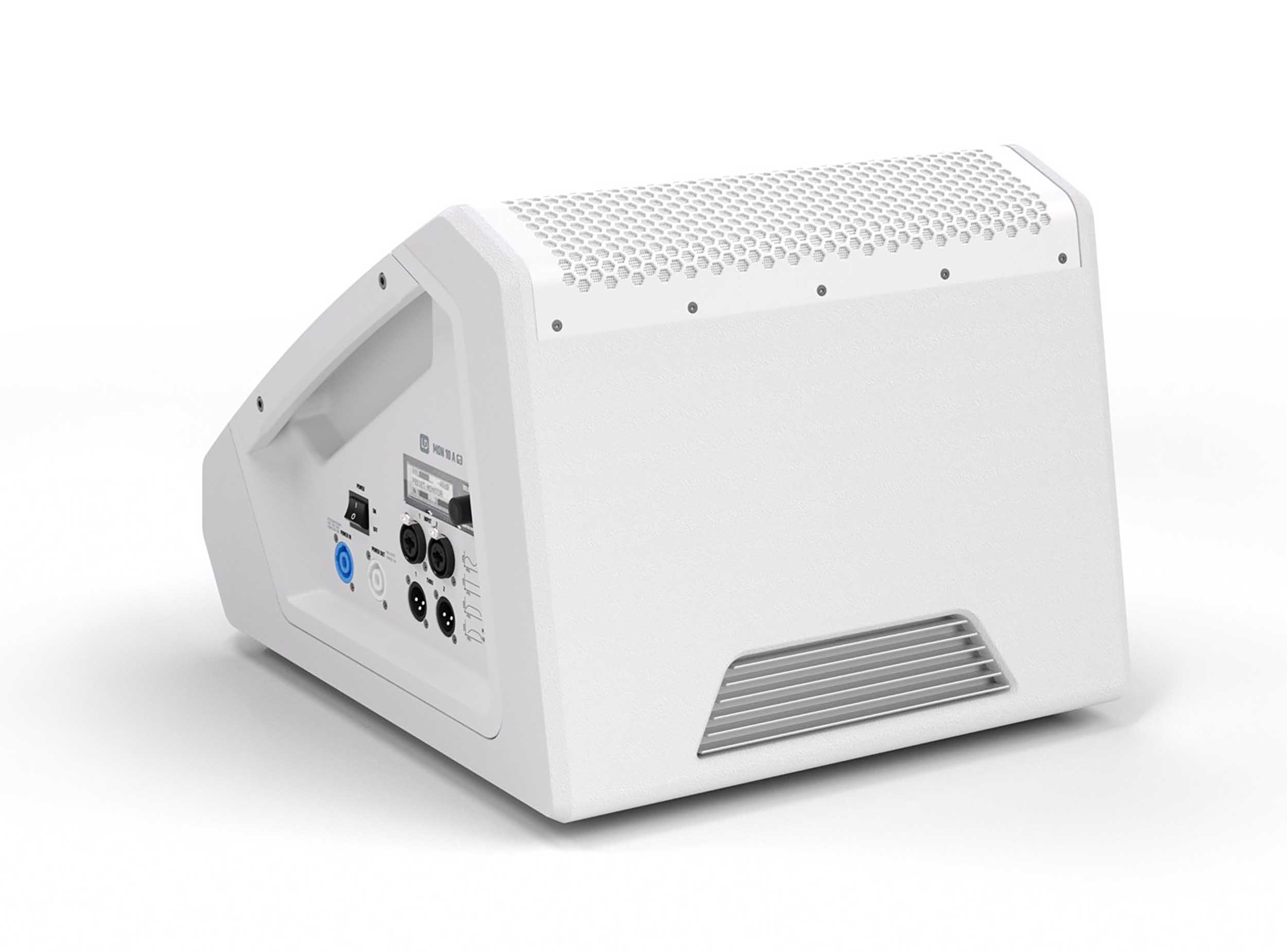
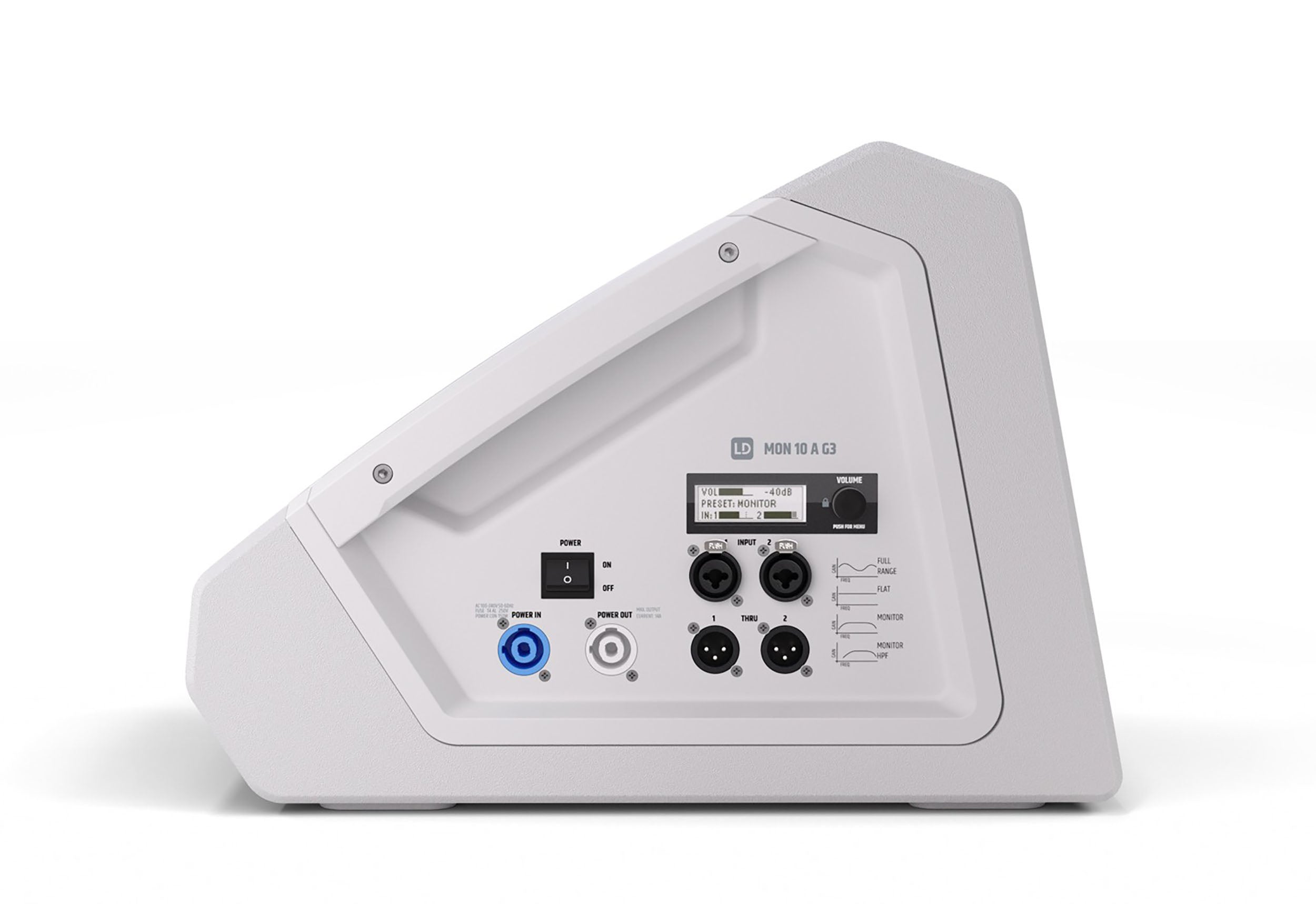
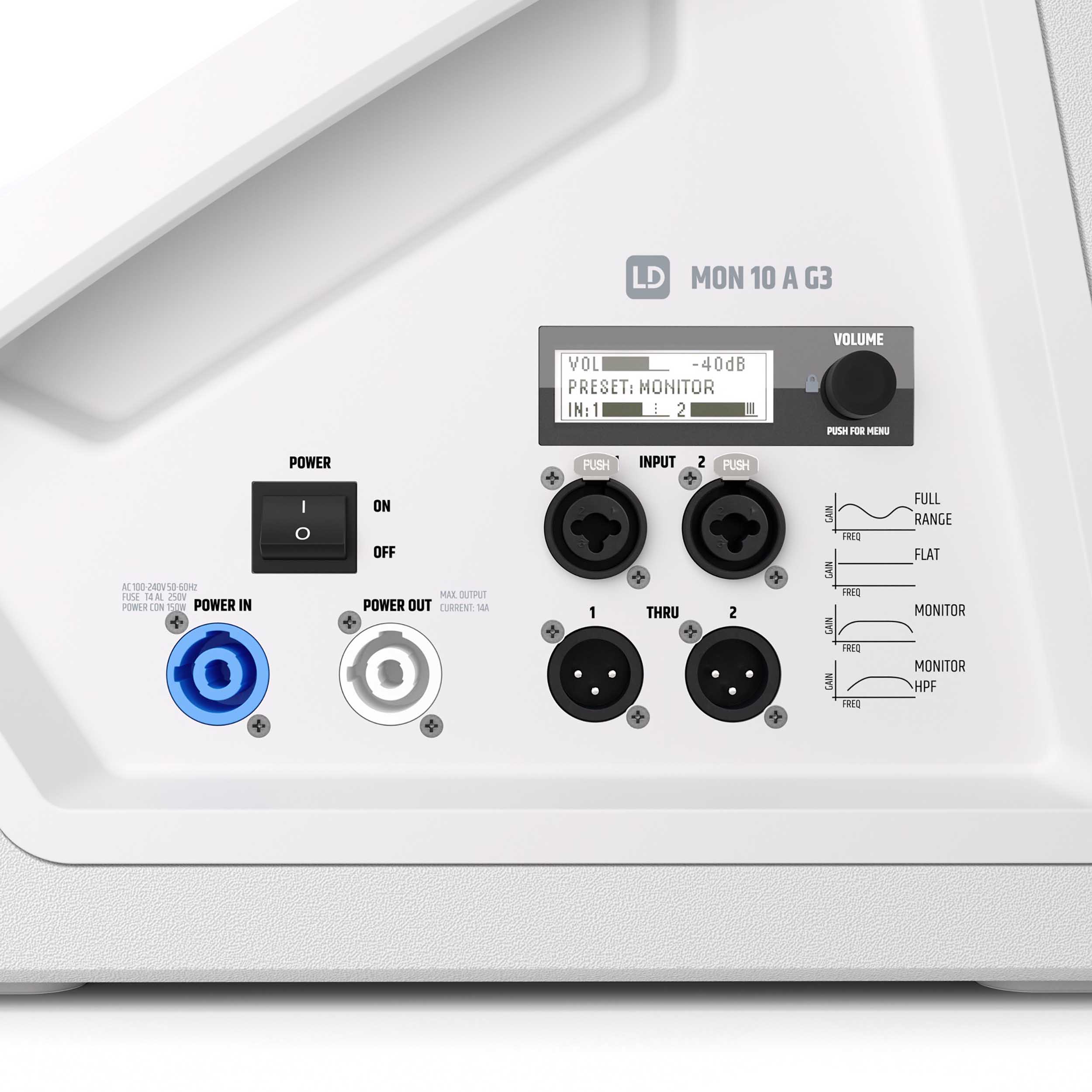
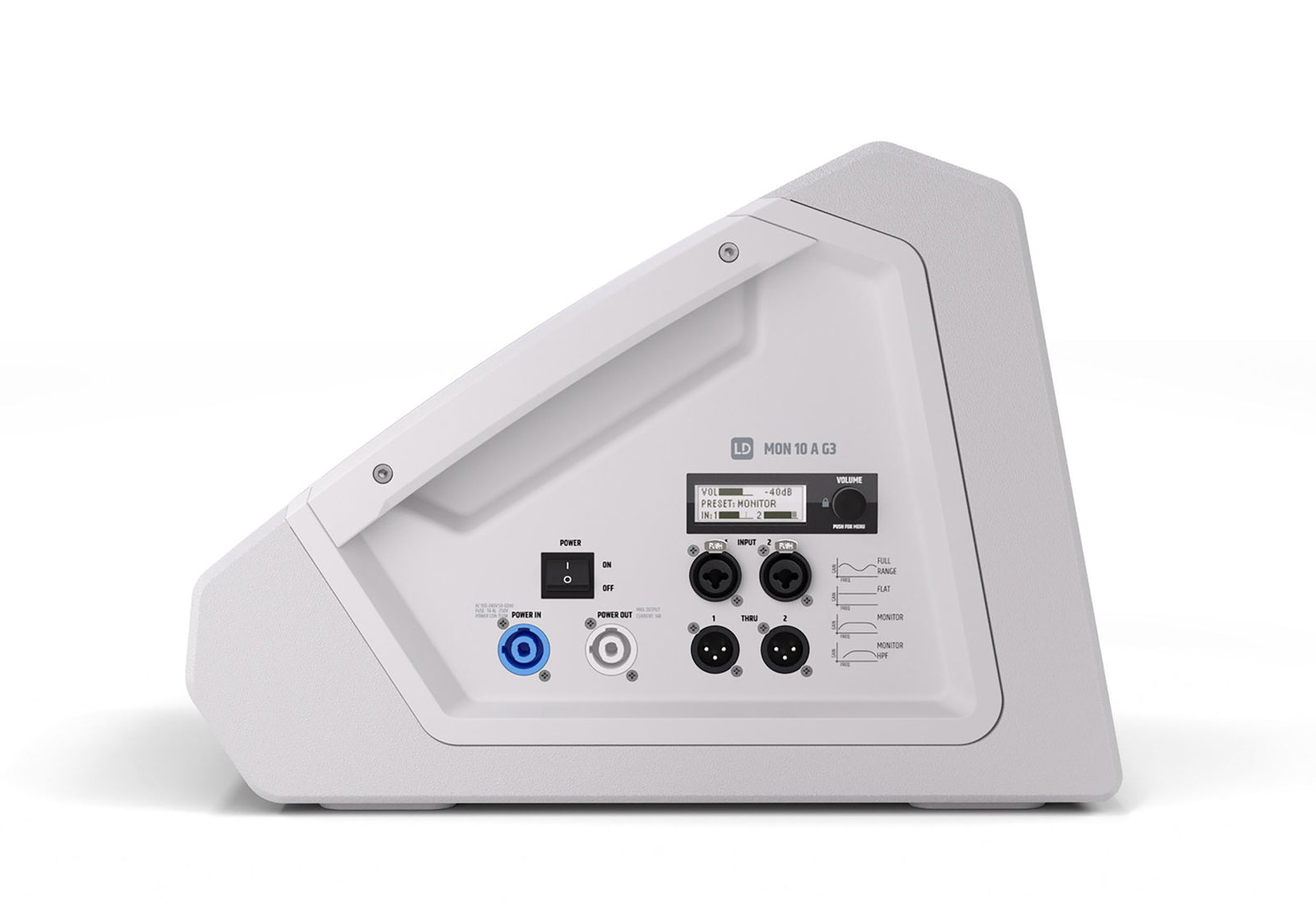
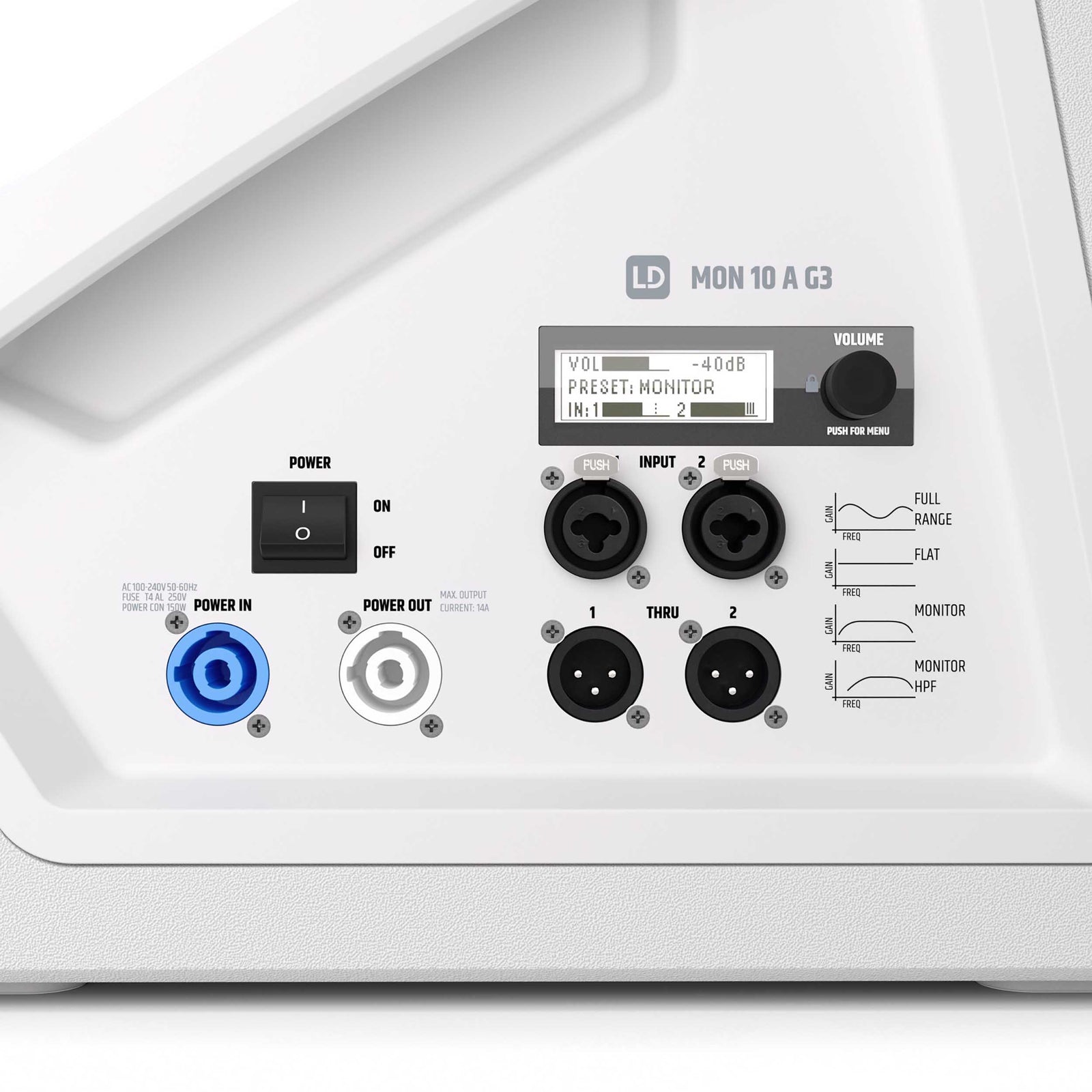
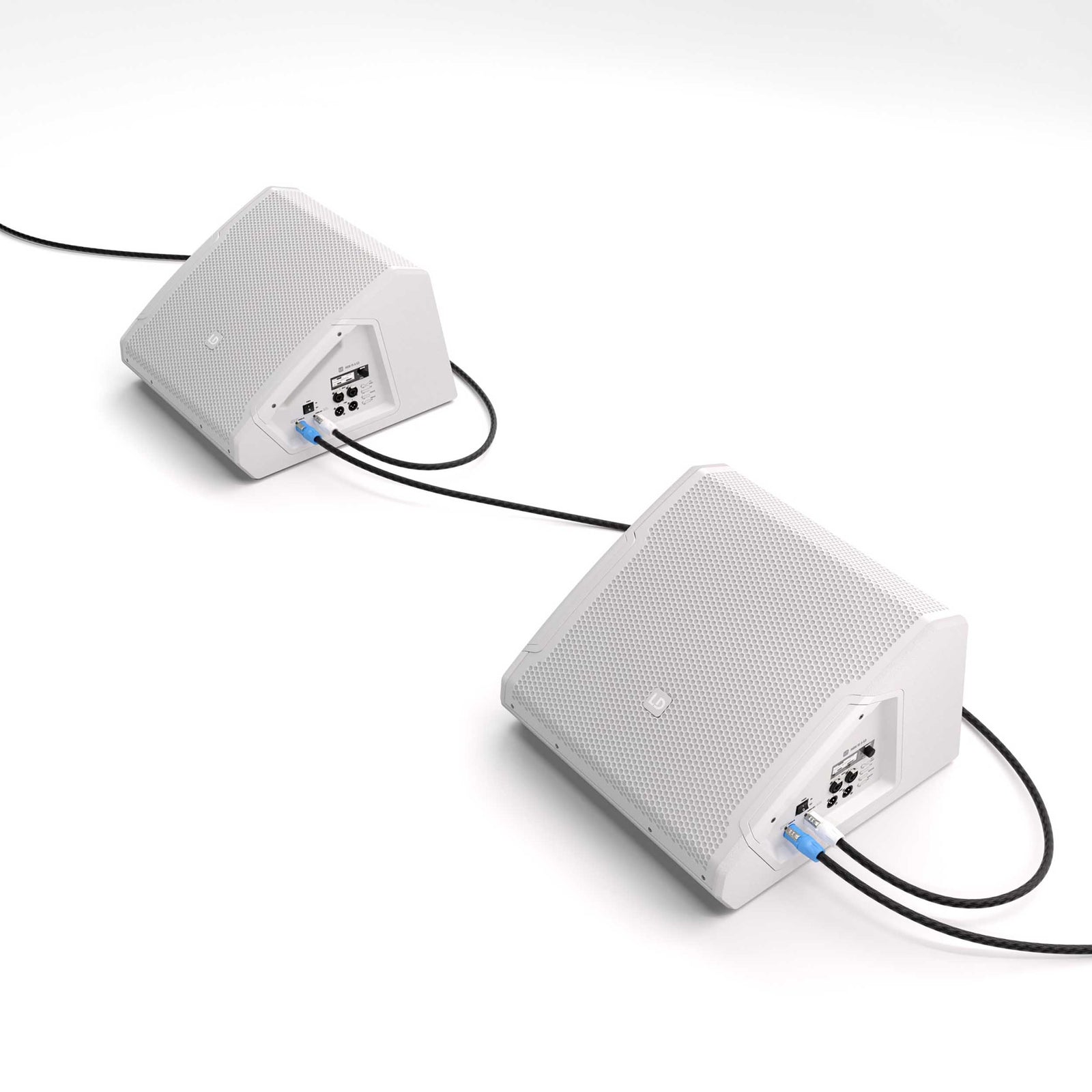
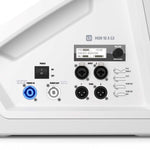
Feedback, tonal balance and timing, without a laptop or a system tech. The panel carries four application presets to get the cabinet close for the job at hand, a 3-band EQ over high, mid and low to trim from there, and a notch filter for killing one ringing frequency rather than pulling a whole band down. A delay line is built in for time-aligning the box when it is working as a fill instead of a wedge, and LD Systems' DynX DSP (Gen.2) handles limiting so the amplifier stays clean at full output.
How much cabling does a four-wedge monitor line need?
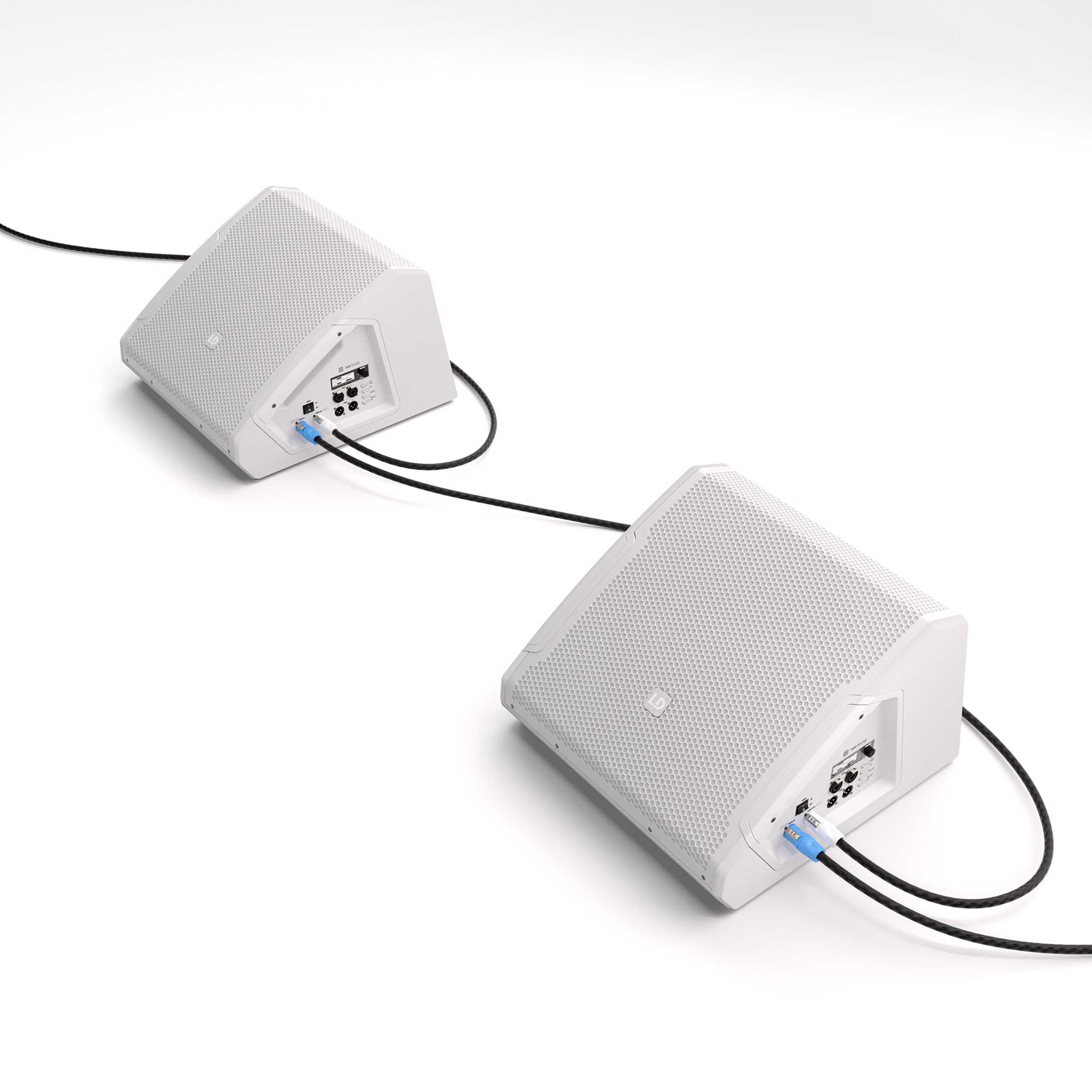
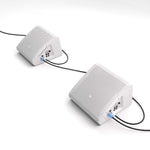
One feed from the console and one drop from the distro, then short jumps between cabinets. Signal and mains both pass through the speaker: the audio connection loops out to the next box and the PowerCON-compatible mains connection does the same, so a row of wedges is linked cabinet to cabinet rather than each one being run separately from the stage edge. Two line inputs also let you sum a second source into one monitor. The limit on how many you can chain is the breaker you are plugged into, not the speakers, so count your circuit before you build the run.
Is 33.5 lb a one-person load-in?
Yes. At 33.5 lb (15.21 kg) with two handles, one person moves it without a cart, and at 15.0 x 16.8 x 12.0 in (380 x 426 x 305 mm) it is the compact middle of the range. That combination is usually why a mobile rig settles on the 10-inch rather than moving up to the 12-inch or 15-inch cabinet.
MON 10 A G3 W specifications
| Type | Powered 2-way coaxial stage monitor, white |
|---|---|
| System output | 300 W RMS, 1200 W peak |
| Amplifier | Class D |
| Max SPL, average | 118 dB (100 Hz to 12 kHz, full space at 1 m, 10% THD) |
| Max SPL, peak | 126 dB (sine burst, full space at 1 m, 10% THD) |
| Frequency response (-3 dB) | 72 to 18,000 Hz |
| Frequency response (-10 dB) | 58 to 20,000 Hz |
| Crossover frequency | 1,700 Hz |
| Dispersion (H x V) | 50° x 90°, integrated CD horn |
| Monitor angle | 33° |
| Woofer | 10" (254 mm) coaxial, 2.5" voice coil, ferrite magnet |
| HF driver | 1" compression driver, titanium diaphragm, 1.75" voice coil, ferrite magnet |
| DSP | DynX DSP (Gen.2): 3-band EQ (high, mid, low), 4 application presets, delay line, notch filter |
| Protection | Multiband limiter, overheating, overload, overvoltage |
| Line inputs | 2 x XLR / 6.3 mm jack combo |
| Line outputs | 2 x XLR thru |
| Power connection | PowerCON compatible, loop-through to the next cabinet |
| Power supply | Switch-mode (SMPS) |
| Operating voltage | 100 to 230 V AC, 50 to 60 Hz |
| Power consumption | 150 W |
| Mains fuse | T4AL 250 V |
| Cabinet | Bass reflex, 15 mm birch plywood and MDF, polyurea coating, aluminum front grille |
| Stand mount | 35 mm speaker stand flange, for FOH use |
| Handles | 2 |
| Operating conditions | 32 to 104 °F (0 to 40 °C), humidity up to 80%, non-condensing |
| Dimensions (W x D x H) | 15.0 x 16.8 x 12.0 in (380 x 426 x 305 mm) |
| Weight | 33.5 lb (15.21 kg) |
| In the box | Monitor and mains cable |
| MPN | LDS-MON10AG3W(US) |
Is the MON 10 A G3 the same speaker as this one?
Yes, apart from the finish. The MON 10 A G3 is the black cabinet; the MON 10 A G3 W on this page is the white one.
Should I buy this or the MON 12 A G3 W?
Take the 10-inch if stage footprint and weight matter, the MON 12 A G3 W if low end does. Peak SPL differs by 1 dB, but the 12 reaches 55 Hz against 58 Hz at -10 dB and costs you about 4.8 lb per cabinet.
Do I need a subwoofer with it?
For monitor duty on most stages, no. A wedge exists to give a performer their own mix, not full-range low end. If you are poling up a pair for music playback, add a sub, or move to the MON 15 A G3 W, which LD Systems positions as a stand-alone compact front PA.
Does it come with a warranty?
Yes. This unit is listed with Hollywood DJ's Free 2 Year Warranty. The full LD Systems range is here too.
Still deciding between 8, 10 and 12 inches? Send us the size of the room, what is going through the wedges and how many you are buying, and we will give you a straight answer rather than upselling you a cabinet size. Get in touch.
Financing Options
Hassle-Free Financing Available
Get the gear you need now and pay over time. Perfect for working DJs, artists, and sound pros who need pro-grade speakers, lighting, and cases to stay competitive.
- Shop Pay & Afterpay for instant financing right at checkout
- Acima, Synchrony, Progressive & Snap lease-to-own and financing options
- Fast approvals so you buy today and pay monthly
Military & First Responder Discounts
We're proud to support those who serve. Active-duty military, veterans, and first responders qualify for a special discount on your gear. See our Military Discount details here and how to redeem.