






Which Teenage Engineering should I buy?
Start from what you want to do. For sampling and beat making, get the EP-133 K.O. II. For reggae, dub and dancehall, get the EP-40 Riddim, which adds 400+ genre sounds and a dub siren synth engine. For a first device or a gift under $100, get a Pocket Operator. To mix several devices or record them into a computer, get the EP-136 K.O. Sidekick for two stereo channels or the TX-6 for six. For a self-contained flagship instrument, choose between the OP-1 Field and the OP-XY. To record interviews, field audio or a band, get the TP-7. To listen, get the OB-4.
| Model | What it is | Defining numbers | Power |
|---|---|---|---|
| EP-133 K.O. II | Sampler, sequencer and composer | 64 MB memory (the version we stock), 12 pressure-sensitive pads, built-in mic and speaker | 4x AAA or USB-C |
| EP-40 Riddim | Reggae, dub and dancehall sampler and composer | 128 MB memory, 400+ sounds, 12 pressure-sensitive pads, built-in mic | 4x AAA or USB-C |
| EP-1320 Medieval | Medieval-themed sampler and beat machine | 128 MB memory (96 MB built-in sounds, 32 MB for your samples), built-in mic and speaker | 4x AAA or USB-C |
| EP-136 K.O. Sidekick | Two-channel mixer, audio interface and FX processor | 2 stereo inputs plus aux, USB-C audio 8 in / 4 out, 6 performance effects | 2x AAA or USB-C |
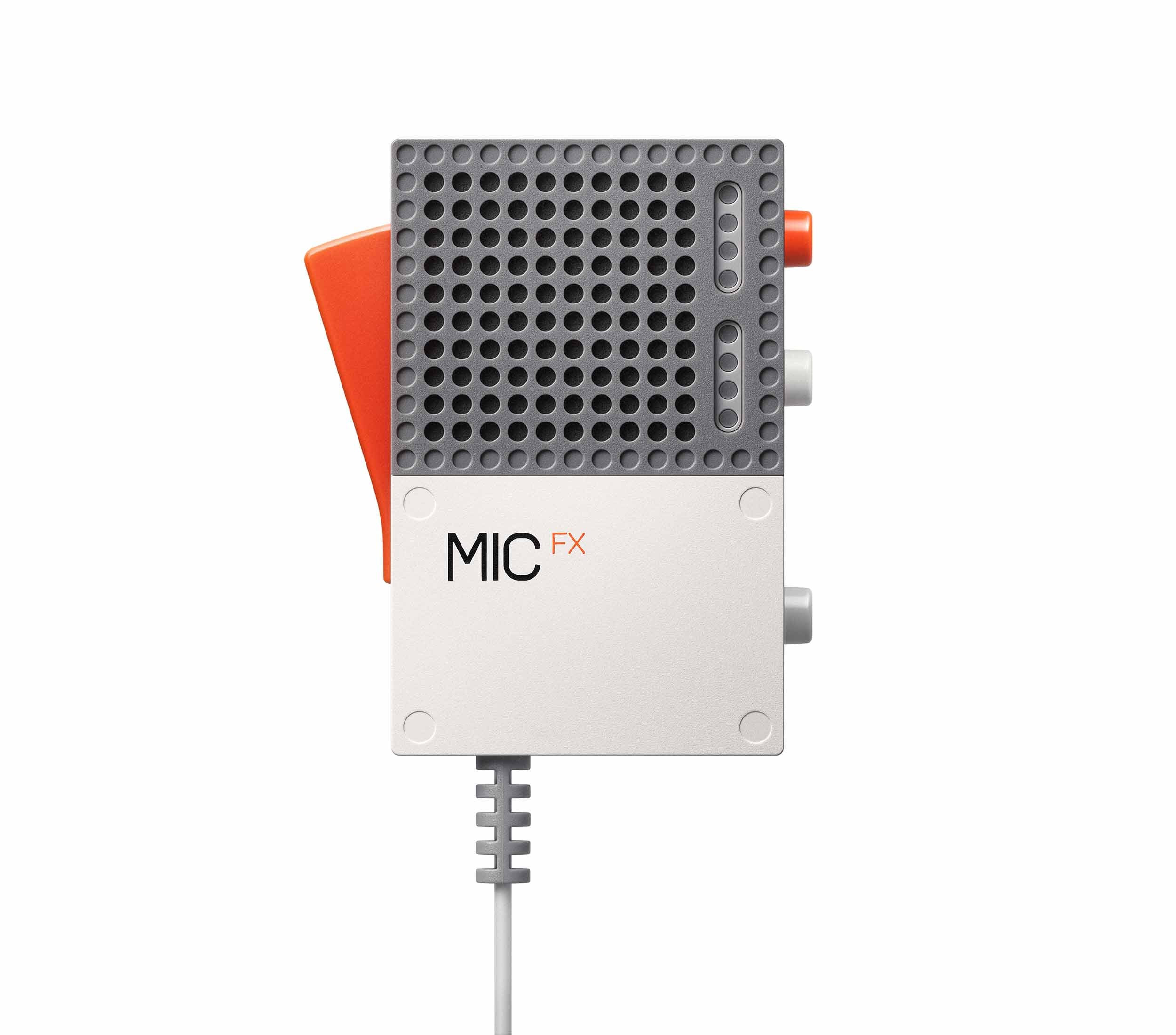
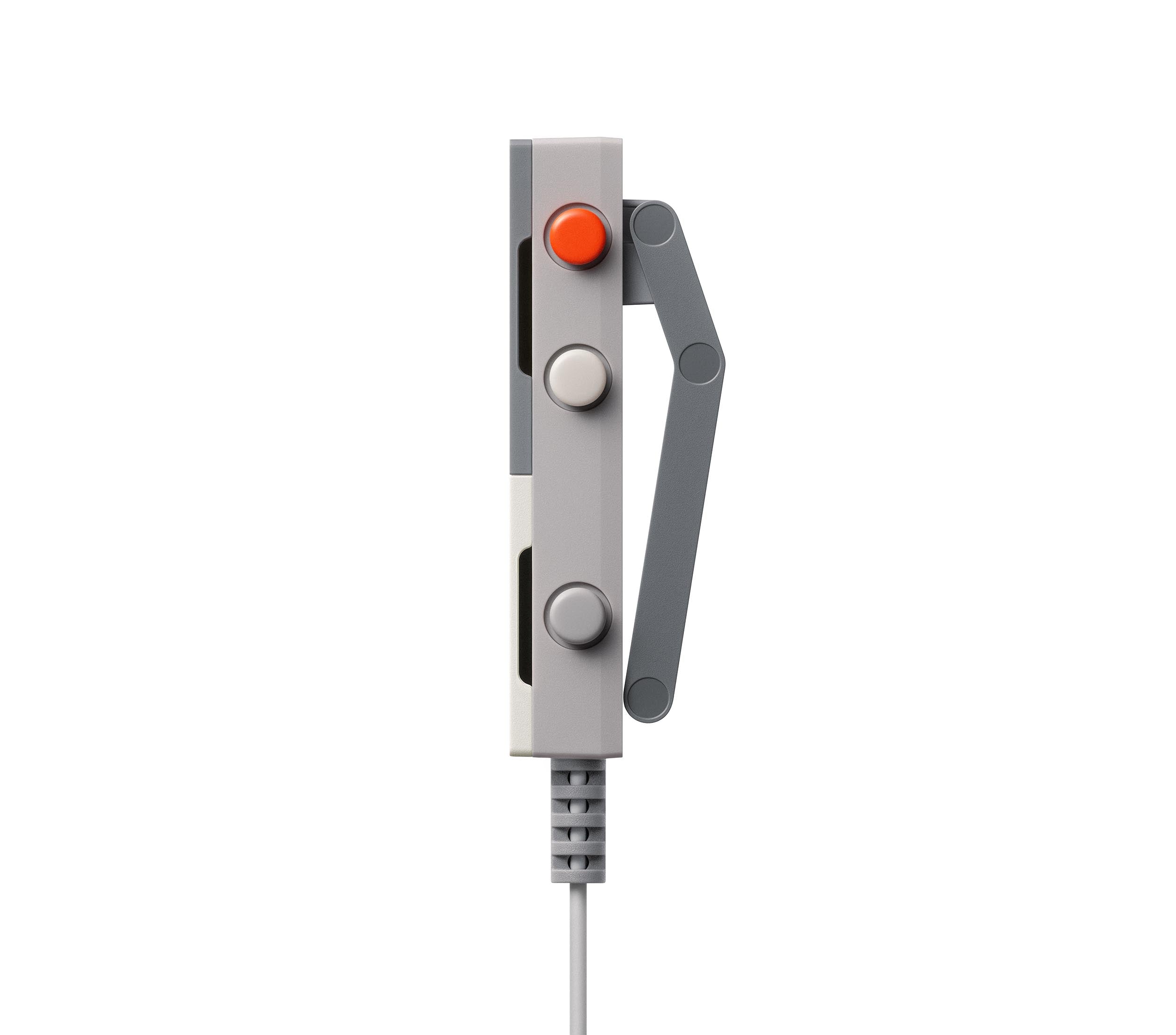
| EP-2350 FX Mic | Handheld performance microphone | 4 voice effects, 4 onboard samples, 3.5 mm line out | 2x AAA or USB-C |
| Pocket Operators (PO-12 to PO-35) | Pocket-size synths, drum machines and samplers | 16-step sequencer, built-in speaker, 3.5 mm audio and sync | 2x AAA |
| OP-1 Field | All-in-one synthesizer, sampler and drum machine | 12 synth engines, 4-track tape recorder, FM radio | Rechargeable, about 24 hours |
| OP-XY | Sequencer, synthesizer and sampler | 24 voices, 16-track sequencer, 2-octave keyboard, MIDI and CV multi-out | Rechargeable, about 16 hours |
| TX-6 | Six-channel stereo mixer and audio interface | 6 stereo inputs, 12-channel USB recording, records WAV to a USB drive | Rechargeable, about 8 hours |
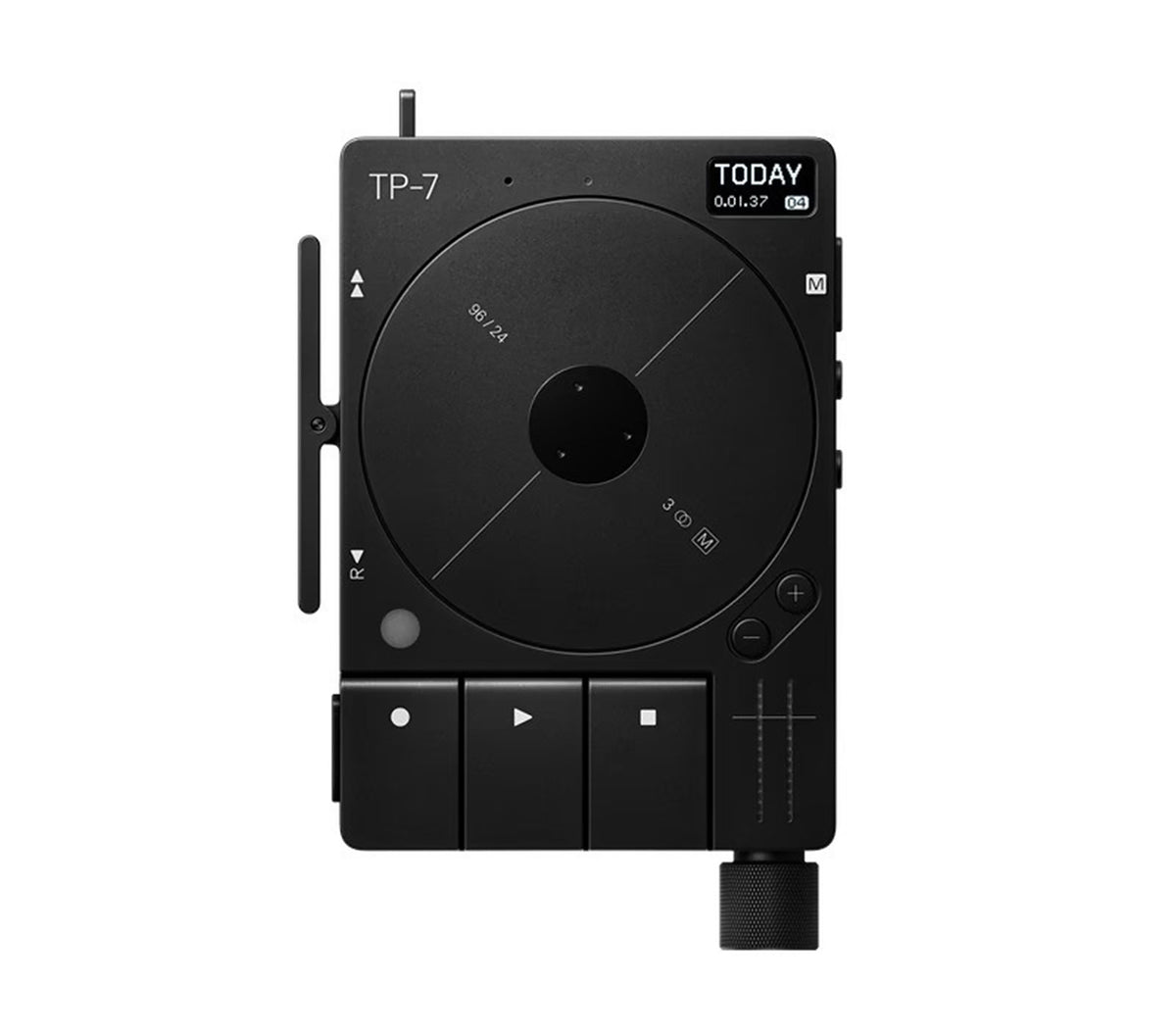
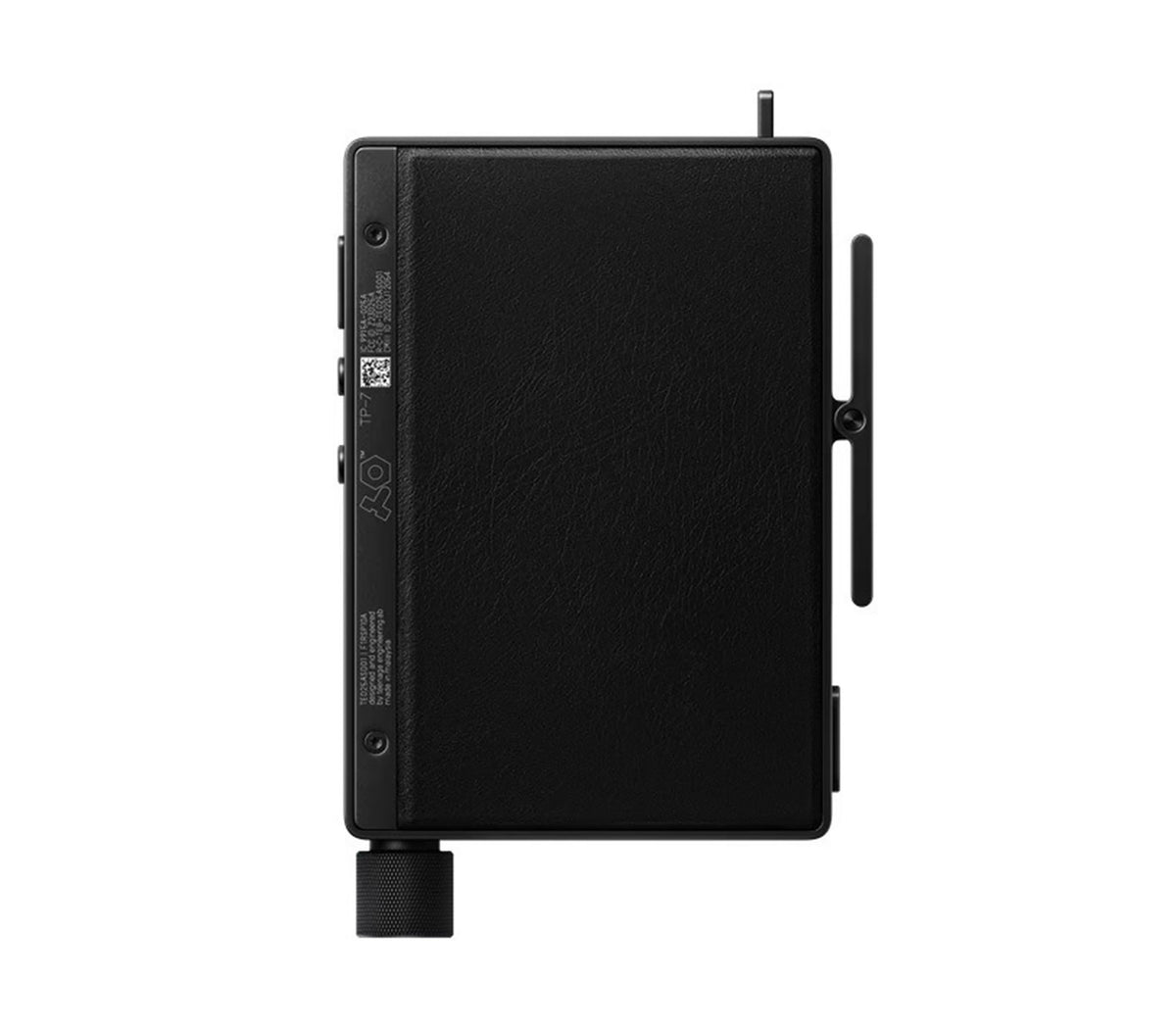
| TP-7 | Portable field recorder | 128 GB storage, 3 configurable 3.5 mm jacks, motorized tape reel | Rechargeable, about 7 hours |
| OB-4 | Portable Bluetooth speaker and radio | 2 x 38 W, Bluetooth, FM radio, line in, rolling 2-hour loop recording | AC power or built-in battery |
What is the difference between the EP-133 K.O. II, EP-40 Riddim and EP-1320 Medieval?
The sound library and the memory. All three share the same 9.45 x 6.93 x 0.63 in (240 x 176 x 16 mm) body, 12 pressure- and velocity-sensitive pads, a built-in microphone, MIDI and sync in and out, and run on four AAA batteries or USB-C. The EP-133 K.O. II is the general-purpose sampler, and the version we stock has 64 MB of memory (Teenage Engineering now also makes a 128 MB version). The EP-40 Riddim has 128 MB and ships loaded with 400+ reggae, dub and dancehall sounds, eight remixable artist tracks and the supertone synth engine with bass, lead and dub siren presets. The EP-1320 Medieval has 128 MB, of which 96 MB is built-in medieval instrument sounds and 32 MB is for your own samples.
Which Pocket Operator should I start with?
The PO-33 K.O! if you want to sample: it has a built-in microphone and 40 seconds of sample memory across 16 slots, 8 melodic and 8 drum. Pick the PO-12 rhythm for a straightforward 16-sound drum machine, the PO-20 arcade for chiptune-style chords and melodies, or the PO-28 robot for live-played 8-bit leads. The PO-32 tonic loads new drum sounds from Sonic Charge Microtonic (sold separately), the PO-35 speak is a vocal sampler with 120 seconds of memory and 8 voice characters, the PO-14 sub makes bass lines, the PO-16 factory plays leads and chords, and the PO-24 office is a noise percussion machine. Every Pocket Operator runs on two AAA batteries, has a built-in speaker and a 16-step sequencer, and syncs to other Pocket Operators over a 3.5 mm cable.
Do Pocket Operators need a case?
Not to work, but most owners add one. Teenage Engineering's CA-X silicone pro case fits every Pocket Operator model, protects the batteries, and adds anti-slip feet, pro-feel buttons and a neck strap. To fit it, remove the Pocket Operator's hanger and metal stand.
OP-1 Field or OP-XY?
Both are all-in-one instruments with a built-in speaker, microphone and rechargeable battery. The OP-1 Field is built around its 4-track tape recorder (four stereo tracks, 6 minutes each at normal tape speed) and 12 synth engines, adds an FM radio receiver and transmitter, and runs about 24 hours per charge. The OP-XY is built around a 16-track, 64-step sequencer with 24-voice multitimbral synthesis (8 synth engines plus drum, multi and synth samplers), a 2-octave keyboard, and a multi-out jack that sends MIDI, CV and gate, sync or audio to other gear. It runs about 16 hours per charge.
K.O. Sidekick or TX-6?
Both are mixers that double as USB audio interfaces. The EP-136 K.O. Sidekick mixes two stereo sources plus an aux input, adds three EQ styles, compressors and six performance effects, connects to a computer at 8 in / 4 out over USB-C, and runs on two AAA batteries. The TX-6 mixes six stereo inputs, each with a 3-band EQ and compressor, records 12 channels to a computer or 48 kHz 24-bit WAV files straight to a USB drive, adds a built-in synth and sequencer, and runs about 8 hours on its rechargeable battery.
How do I protect a Teenage Engineering device?
These fit specific models:
- Decksaver cover for the EP-133 K.O. II and the Magma MGA48049 case for the EP-133 K.O. II
- Teenage Engineering Riddim shoulder bag, made to carry the EP-40 Riddim and EP-2350 mic
- Decksaver cover for the OP-1 Field and OP-XY
- Decksaver cover for the TX-6
- Decksaver cover for the TP-7
- CA-X silicone pro case for any Pocket Operator
Can't find a Teenage Engineering model?
Call us at 1-800-700-4542 and we will tell you what we can get and when.